
Key takeaways
- Ruptured pipes and gas leaks are immediate emergencies needing quick action to prevent severe damage or health risks.
- Clogged drains, leaking fixtures, and overflowing toilets can turn into bigger problems if not promptly addressed.
- Losing hot water or dealing with sewage backups disrupts daily life and can be serious hygiene and health hazards.
Plumbing is one of those things you only think about once something goes wrong.
You turn the tap, and water flows. You flush the toilet, and waste disappears.
Everything is all dandy until things stop working.
Plumbing emergencies don’t knock on your door politely. They burst in, uninvited, and demand immediate attention.
Being ready for a plumbing emergency can save you time, money, and stress.
That’s why, in this blog, we’ll talk about the seven most common plumbing issues — along with what makes each one a potential emergency and how to handle them.
What is considered a plumbing emergency? 7 plumbing problems to watch out for
When it comes to plumbing issues at home, not all problems are created equal. Some can wait until morning, while others demand your immediate attention.
Knowing what to look out for can save you from unnecessary stress and expenses.
Problem #1 – ruptured pipes
Ruptured pipes. The phrase alone can send shivers down a homeowner’s spine.
A ruptured pipe is when a pipe cracks or bursts, releasing water into places it shouldn’t be. Common causes include freezing temperatures, old or corroded pipes, and excessive water pressure.
The damage from a ruptured pipe can be immediate and catastrophic.
Water starts flooding your home, soaking carpets, walls, and anything in its path. Long-term effects are even more troubling—think mould growth, structural damage, and sky-high repair costs.
The chaos doesn’t end when the water stops flowing. It can take weeks to dry out soggy floors and furniture.
Ruptured pipes are a plumbing emergency because they can affect the safety and integrity of your home.
At the first sign of a ruptured pipe, immediately call an emergency plumber to limit the potential damage to your home.
Signs of a ruptured pipe
Spotting a ruptured pipe early can save you a lot of trouble. Here are some signs to watch for.
- Visible Signs:
- Puddles of water around the house.
- Water stains on walls or ceilings.
- Reduced water pressure.
- Unexplained wet spots on the floor.
- Non-visible Signs:
- Unusual sounds like hissing or gurgling from pipes.
- A sudden spike in your water bill.
- Damp or musty odours.
- Mold growth in unexpected areas.
Problem #2 – clogged drains
Clogged drains are a common household nuisance.
They’re caused by a buildup of hair, soap scum, grease, food particles, and other debris that accumulates over time.
While a slow-draining sink or shower might seem like a minor inconvenience, leaving them unattended can lead to much bigger problems.
If the clog persists, it can lead to standing water in sinks, tubs, or showers, creating an ideal environment for bacteria and mould growth. This not only poses health risks but can also lead to unpleasant odours permeating your home.
Clogged drains can become serious emergencies if left unchecked. When multiple drains are clogged simultaneously, it might indicate a more serious blockage in the main sewer line.
Moreover, the pressure build-up from a clogged drain can cause pipes to crack or burst. As we’ve mentioned earlier, this is bad news for your home’s internal structure.
You can try and use a drain snake or a liquid drain cleaner to remove some of the blockage on your own. But for heavy-duty cleaning, it is recommended to call for an emergency plumber to solve the problem in just one go.
Problem #3 -leaking fixtures
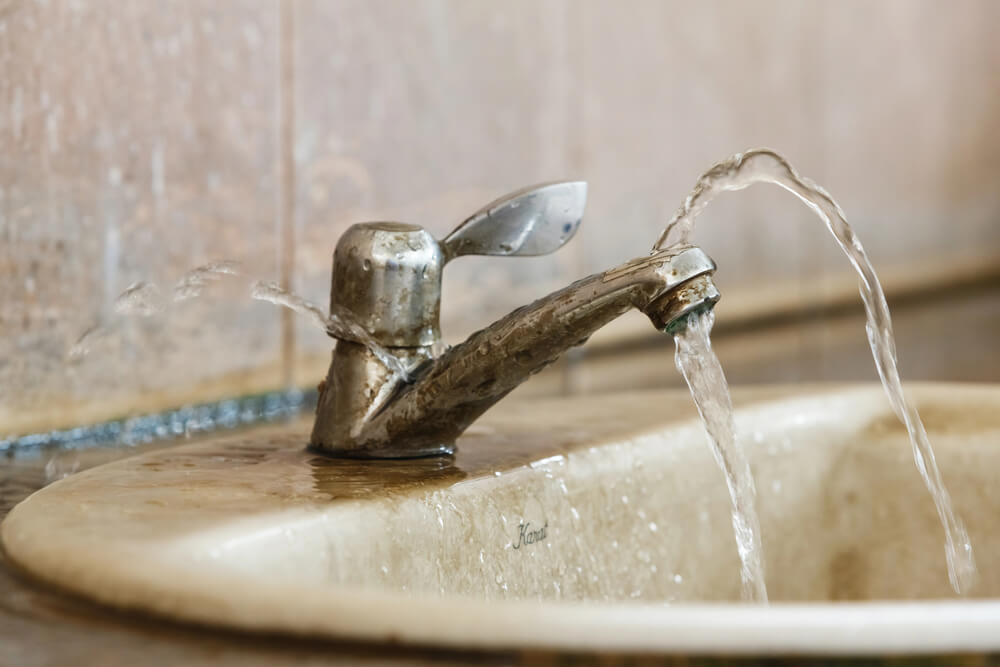
Leaking fixtures are a silent killer. Common types of fixture leaks include dripping faucets, leaking showerheads, and trickling toilets.
The damage from leaking fixtures can be quite expensive. Even a small drip can waste a surprising amount of water over time.
A faucet dripping at one drip per second can waste over 3,000 gallons of water annually. This will, of course, increase your water bill.
These leaks also create unnecessary water wastage, which isn’t good for the environment.
Early warning signs for leaks
Catching leaks early can be a literal lifesaver. Here are some simple methods to detect leaks before they become severe headaches:
- Check your water metre – turn off all water sources in your home and check the water meter. If the meter continues to move, you likely leak.
- Inspect visible pipes and fixtures – regularly check under sinks, around toilets, and behind appliances for any signs of moisture or water stains.
- Listen for drips – in a quiet house, listen for the sound of dripping water. This can help you locate small leaks before they escalate.
While a leaky fixture might seem like a simple fix, there are a lot of moving parts and small pieces involved.
Emergency plumbing services know exactly what to do, putting things back exactly as they were before.
Problem #4 – overflowing toilets
These can be caused by blockages from too much toilet paper or non-flushable items like wipes or feminine hygiene products. Clogged sewer lines or malfunctioning float mechanisms in the toilet tank can also lead to overflow.
When a toilet starts to overflow, there are a few things you can do to lessen the damage.
First, turn off the water supply to the toilet. This valve is typically located near the base of the toilet and can be turned clockwise to stop the flow of water.
Next, use a plunger to attempt to clear the blockage. If the plunger doesn’t work, a toilet auger might help reach deeper clogs.
If these methods fail, it’s time to call an emergency plumber.
While you wait, clean up any water that has spilled to prevent damage to your floors and to stop it from seeping into other areas of your home.
Problem #5 – no hot water
Losing hot water can be a major inconvenience to your daily life.
Simple tasks like showering or washing dishes turn into uncomfortable experiences. The frustration of stepping into a cold shower, especially on a chilly morning, is something most of us can relate to.
Having a reliable hot water system in the winter is a necessity.
Several underlying issues can cause the absence of hot water. Common culprits include a malfunctioning water heater, issues with the thermostat, sediment buildup in the tank, or problems with the pilot light in gas heaters.
Electrical issues can also disrupt the supply of hot water in electric heaters.
In colder climates, the lack of hot water can quickly escalate from an inconvenience to an emergency. Prolonged exposure to cold water can lead to hypothermia. No hot water for cleaning and hygiene can create unsanitary conditions.
Don’t wait for someone at home to get sick just because you don’t have hot water. Call for emergency plumbing to keep you and your family safe, especially during the winter.
Problem #6 – gas leaks
Gas leaks are one of the most dangerous plumbing issues you can encounter.
Natural gas is highly flammable, and a leak can lead to explosions or fires if ignited. Inhaling gas can cause serious health problems, including headaches, dizziness, nausea, and in severe cases, suffocation.
If you suspect a gas leak, you’ll need to take immediate action.
First, turn off the gas supply at the main shutoff valve. Open windows and doors to ventilate the area and evacuate everyone from the premises.
Do not use any electrical devices, light switches, or open flames, as these can ignite the gas. Once you’re in a safe location, call emergency services and your gas company to report the leak.
Gas leaks are top-priority emergencies because of their potential to cause catastrophic damage and pose severe health risks. They require special skills and equipment to fix, so don’t second guess and call for emergency plumbing right away.
Problem #7 – backed up sewage
Sewage backups are caused by blockages or damage in the main sewer line, tree root infiltration, or excessive rain overwhelming the sewer system. These can result in wastewater flowing back into your home through toilets, drains, and sinks.
Contaminated water that is just sitting in your pipes can be a serious health hazard. Not only is the smell unbearable, but it could even affect the water you use for drinking and cleaning.
Trying to fix this yourself is incredibly difficult since you’ll need heavy-duty tools to access your sewage. Emergency plumbers are trained to deal with backed-up sewage quickly and efficiently.
The high cost of plumbing emergencies
All of these plumbing emergencies have something in common: water damage.
This a homeowner’s nightmare that can result in astronomical repair and utility bills. The average cost of water damage restoration can range from $1,300 to $5,600.
When water invades your home, it seeps into everything — from carpets and furniture to the very structure of your house.
Initially, you might notice some wet spots or minor warping. When left untreated, the damage compounds over time.
It can weaken wooden structures, cause drywall to swell and disintegrate, and ruin electrical systems.
Your belongings aren’t safe either—furniture, electronics, and personal items can all be damaged beyond repair.
Mould growth is another concern, as it can spread rapidly and necessitate costly remediation efforts. Mould not only damages property but also creates serious health risks.
Emergency plumbers can save your home
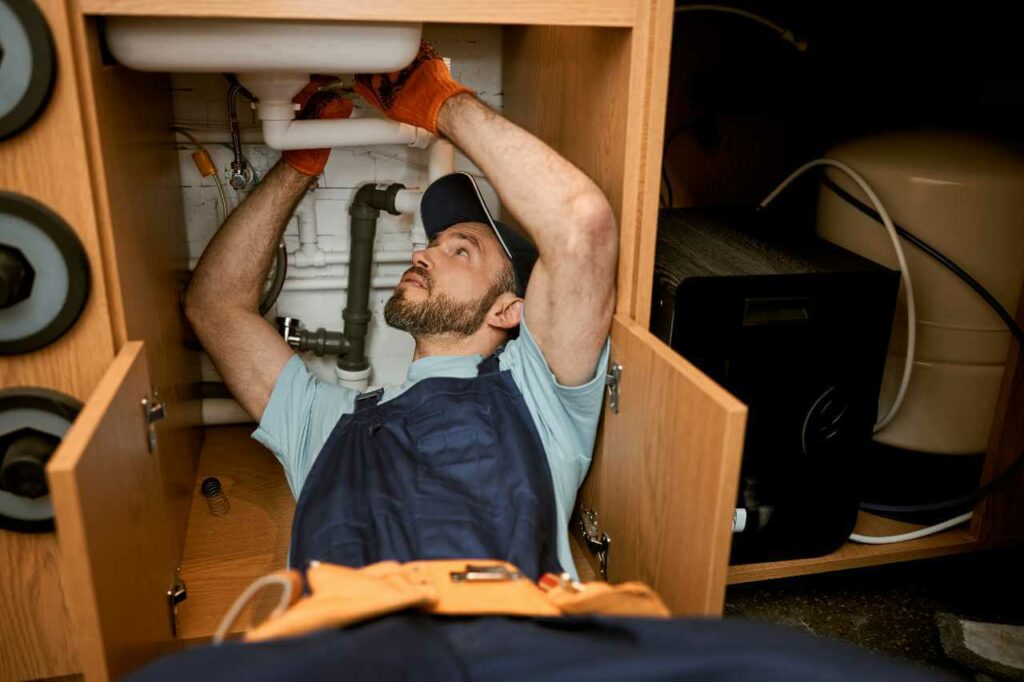
It’s never a bad idea to hire a professional plumber to deal with a plumbing emergency. Their extensive expertise helps identify and fix issues correctly the first time.
Emergeny plumbers can also spot any potential problems early. They can see problems normal homeowners wouldn’t even notice.
While DIY skills certainly come in handy, professional services mean the job will be done efficiently and effectively. Using the right tools and techniques makes sure that repairs are longer lasting and less likely to fail.
Recognizing and fixing plumbing emergencies right away is important for a safe, comfortable home. These urgent issues can’t wait—an immediate fix can save you a lot of trouble and money in the long run.
When things get serious, it’s best to call in the professionals for their expertise and fast fixes.