
Key takeaways
- Have you ever wondered to yourself “why is my tap water cloudy? Well, cloutdy tap water is often caused by harmless air bubbles, high water pressure, or sediment in the pipes.
- To fix cloudy water, check your water pressure, flush your pipes, and consider installing sediment filters or a pressure regulator.
- If cloudiness persists, tastes unusual, or is discoloured, call a professional to inspect for deeper issues.
Ever turned on your tap expecting clear, fresh water, only to be greeted by a cloudy surprise? Don’t worry, cloudy tap water is a common issue.
Most of the time, it’s harmless and easy to fix. However, it’s still important to know what’s causing it and how to get your water back to crystal clear.
This article dives into the five most common reasons tap water might be cloudy. Each cause is broken down in simple terms, with practical solutions to clear things up. By the end, you’ll know exactly why your tap water looks like a science experiment and, more importantly, how to fix it.
So, let’s get started and put your mind at ease. Your tap water will be back to normal in no time.
What is cloudy tap water?
Cloudy tap water, or turbid water, is water that looks milky or hazy when it comes out of the tap.
Instead of the clear, pristine water you expect, it looks like it’s been mixed with a bit of milk or soap. This cloudiness can be concerning, especially when you’re not sure of the cause.
Usually, the cloudiness comes from tiny air bubbles or particles suspended in the water. These particles scatter light, giving the water that murky appearance.
While cloudy water is often harmless, it’s not something to ignore completely. It can sometimes indicate underlying issues with your plumbing or water supply.
Common causes include air trapped in the pipes, high water pressure, or even sediment from the pipes themselves. Though the water is usually safe to drink, it’s good to know what’s causing the cloudiness and how to fix it.
Why is my tap water cloudy? 5 common reasons
So, why does your tap water look like a cloudy mess? There are a few common culprits behind this mystery. Let’s dive into the top five reasons and how to clear things up.
Reason 1 – air bubbles
One of the most common reasons for cloudy tap water is air bubbles.
Ever shaken up a soda and watched all those tiny bubbles make it cloudy? The same thing happens in your pipes.
Air can get trapped in your water for various reasons, like changes in water pressure or temperature. When you turn on the tap, the air is released, making your water look cloudy for a bit.
The good news? This cause is completely harmless.
To check if air bubbles are the culprit, fill a glass with water and let it sit for a few minutes. If the cloudiness disappears from the bottom up, it’s just air bubbles. No need to worry – your water is safe to drink.
If air bubbles become a regular thing, consider having a plumber check your water pressure. Sometimes, reducing the pressure can help minimize the air in your water. But rest assured, it’s a simple fix and nothing to stress over.
Reason 2 – high water pressure
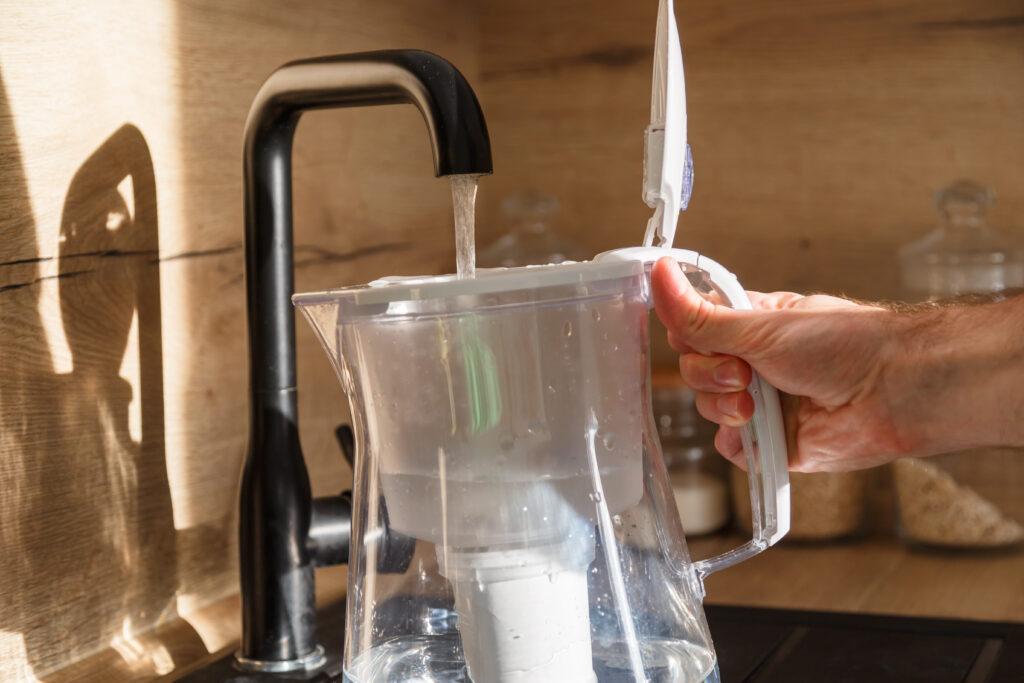
High water pressure might sound like a good thing – more power in the shower, right?
But it can also sneak air into your water, making it look cloudy. When water rushes through your pipes too quickly, it can create tiny air bubbles that give your tap water a milky appearance.
So, how do you know if high water pressure is the issue? There are a few clues
If your faucets and showerheads blast out water like a fire hose, or if you hear banging noises in your pipes (known as water hammer), high pressure might be to blame.
Checking your water pressure is simple. All you need is a water pressure gauge, which you can find at any hardware store. Attach it to an outdoor faucet and turn on the tap. The ideal pressure is between 40-60 psi. If it’s higher, consider installing a pressure regulator to bring it down to a safer level.
Adjusting your water pressure not only helps clear up cloudy water but also prevents damage to your pipes and appliances. Plus, it’ll make your water usage more efficient and reduce the risk of leaks.
Reason 3 – sediment in pipes
Over time, minerals and debris can build up inside your plumbing, especially if you have older pipes and drains. When water flows through, it can stir up this sediment, making your water look murky.
How can you tell if sediment is the issue? Look for signs like discoloured water, a gritty texture, or particles settling at the bottom of your glass. If these symptoms sound familiar, sediment is likely causing the cloudiness.
To tackle sediment buildup, try flushing your pipes. Turn on all the faucets in your home and let them run for several minutes. This can help clear out loose sediment.
If the problem persists, consider installing a sediment filter. These filters are designed to trap particles before they reach your tap, ensuring cleaner water.
Regular maintenance is important to preventing sediment issues. Have your plumbing inspected periodically and consider a water softener if you have hard water. These steps can help keep your pipes clear and your water pristine.
Reason 4 – plumbing issues

Old or rusty pipes can be a sneaky cause of cloudy water. Over time, pipes can rust and wear down, releasing tiny particles into your water supply. These particles can make your water look cloudy or even discoloured.
If you notice a metallic taste, rusty colour, or persistent cloudiness in your water, it might be time to take a closer look at your pipes. Also, if your home is older and hasn’t had a plumbing update in a while, it’s worth considering this as a potential issue.
Trying to fix plumbing issues on your own can be tricky and might lead to more problems down the road.When dealing with old or corroded pipes, it’s best to call in a professional plumber. They can perform a thorough inspection and determine if your pipes need repairing or replacing.
A professional assessment will give you peace of mind and ensure your water is safe and clean. Plus, upgrading old plumbing can improve your home’s overall water quality and efficiency.
Reason 5 – water source contamination
Sometimes, the cloudiness in your tap water starts at the source. Natural or man-made contaminants can sneak into the water supply, causing your water to look murky. Heavy rains, industrial runoff, and even local construction can stir things up and introduce particles into the water.
Possible culprits include things like silt, clay, organic matter, and chemicals. These substances can find their way into your water through cracked pipes, agricultural runoff, or issues at the treatment plant.
While most water systems do a good job of filtering out impurities, sometimes things slip through.
If you think your water is contaminated, take charge as soon as possible.
Don’t drink the water until you’re sure it’s safe. Reach out to your local water authority to report the issue and get updates on any known problems in your area. They can run tests to figure out what’s going on.
In the meantime, use a water filter can help reduce impurities. If contamination keeps popping up, consider installing a whole-house filtration system. This extra step makes sure that all the water in your home is clean and safe, giving you peace of mind.
When to call a professional to help with cloudy tap water

Persistent cloudiness can signal deeper issues that need expert attention. If your water remains cloudy after trying the usual fixes, it might be time to call in a professional.
Here are some signs that indicate a serious problem:
- Cloudy water that doesn’t clear up after a few hours
- Water that tastes or smells unusual
- Discoloured water, especially if it’s rusty or brown
- Frequent plumbing problems like leaks or low water pressure
If any of these sound familiar, it’s best to get a professional assessment. A plumber or water quality expert can diagnose the problem accurately and recommend effective solutions.
When choosing a reliable professional, start by asking for recommendations from friends or neighbors. Check online reviews and ratings to find highly-rated experts in your area. Make sure they are licensed and insured, and don’t be afraid to ask for references.
Getting the right help can save you time and ensure your water is safe to use. Plus, fixing the issue now can prevent more costly repairs down the road.
Keeping your tap water crystal clear
Cloudy tap water can be a bit of a nuisance, but most of the time, it’s an easy fix. Whether it’s air bubbles, high water pressure, or a bit of sediment, there’s usually a simple solution.
The secret to clear water is regular maintenance. Flush your pipes occasionally, check your water pressure, and keep an eye out for any changes in your water quality. And if problems do pop up, don’t hesitate to call in a professional. It’s always better to tackle issues early before they turn into bigger headaches.
Remember, clear water is just a few simple steps away. With a little attention and care, you can keep your tap water sparkling and safe to drink.