
Key takeaways
- How much is emergency plumbing in Brisbane? Typically this service costs between $150 and $800, depending on the specifics of the job.
- Costs depend on factors like time of day, severity of the issue, and needed tools and materials.
- Common issues like burst pipes, clogged drains, and water heater failures can range from $150 to $1,500.
Ever had a faucet explode in the middle of the night or a toilet overflow just before guests arrive?
Plumbing emergencies have a knack for catching people off guard, often at the worst possible times.
Anyone who has dealt with a pipe bursting knows how overwhelming emergency plumbing issues can be.
This guide is here to help by breaking down the costs of emergency plumbing in Australia.
From average price ranges to the factors that can make an emergency more expensive, everything is covered. Understanding these details can make a tough situation a bit more manageable.
So, let’s get into the specifics and answer the big question: how much is emergency plumbing going to set you back?
The big question – how much is emergency plumbing in Australia?
In Australia, the cost of emergency plumbing can vary widely based on several factors.
The typical cost range for emergency plumbing services in Australia can be anywhere from $150 to $800 or more.
For common emergencies, like a burst pipe, you might expect to pay between $200 and $400. Clogged drains often fall in the $150 to $300 range, depending on the severity.
Water heater failures can be more expensive, ranging from $500 to $1,200 if a replacement is needed.
Several factors can drive up the cost of emergency plumbing.
Time of day is a significant one. Services at night, on weekends, or during holidays often come with higher rates due to the urgency.
The severity of the issue also plays a role. Minor repairs, like a simple clog, will cost less than major problems like a burst pipe causing extensive water damage.
Additionally, the need for specialised parts or materials can add to the expense.
Factors that affect emergency plumbing costs
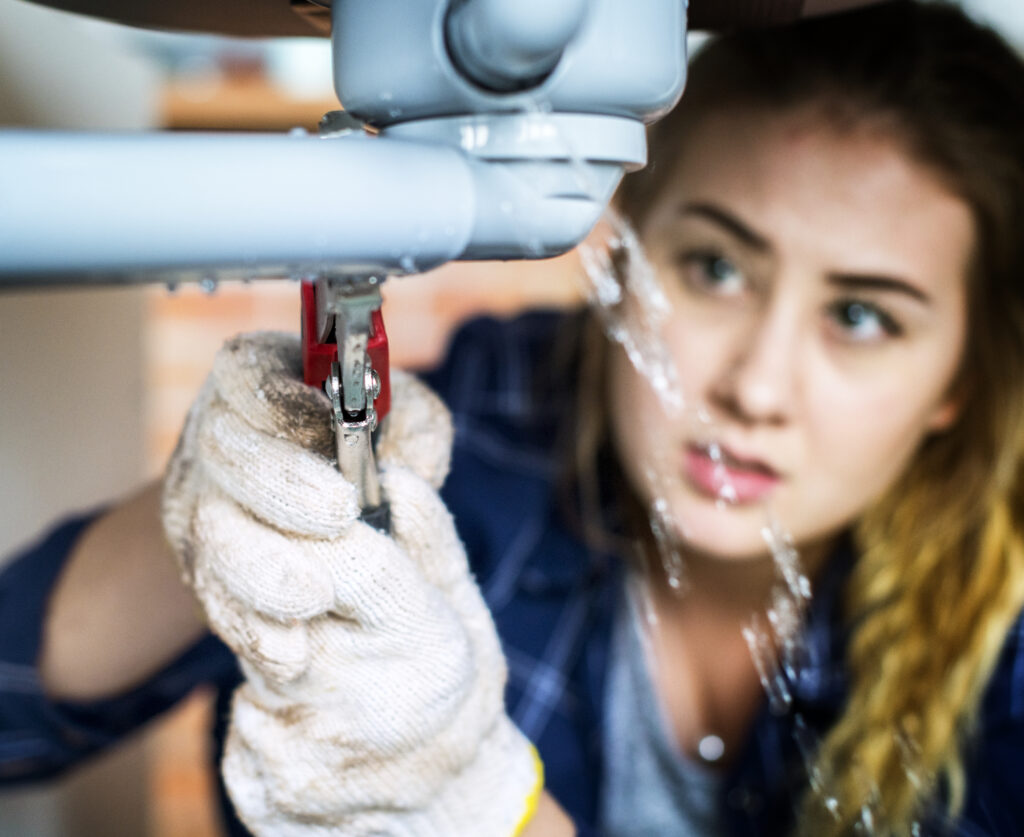
Understanding the different factors that influence emergency plumbing costs can help you anticipate expenses and make informed decisions.
Here are the main elements that can affect the price of emergency plumbing services.
Time of day and urgency
Plumbing issues seem to have a knack for happening at the worst times, don’t they?
If a plumbing emergency pops up after regular business hours, on weekends, or during holidays, you can expect to pay a bit more.
Plumbers often charge extra for late-night calls or holiday emergencies because they’re stepping away from their downtime to help out.
For instance, a service call that might cost $200 during the day could easily jump to $400 or more at night or on a holiday.
Severity of the issue
The severity of the plumbing problem is another big factor in determining the cost.
Minor issues, like a simple clog, generally cost less to fix.
But major problems, like a burst pipe or a significant leak, can be much more expensive due to the complexity and time required for repairs.
Severe issues often need immediate attention to prevent further damage to your home. Of course, this adds to the urgency and cost.
Ignoring serious issues can lead to additional damages, like water damage to floors and walls, which can make the repair bill even higher.
Materials and parts needed
The cost of materials and parts can also play a role in the total expense of emergency plumbing repairs.
Some repairs require specialised or high-quality parts, which can be pricier.
For example, a simple PVC pipe might only cost a few dollars, while a specialised metal fitting could be significantly more.
Here are some examples of common parts and their price ranges:
- PVC pipes: $2-$8 per foot
- Copper pipes: $3-$12 per foot
- Pipe fittings (elbows, couplings): $2-$25 each
- Replacement faucets: $80-$300
- Water heater parts: $150-$600
Knowing the potential costs of these materials can help you get a better idea of what to expect for your emergency plumbing repair.
By keeping these factors in mind, you can better prepare for the costs associated with emergency plumbing.
Now, let’s explore some common emergency plumbing scenarios and what they might cost you.
Common emergency plumbing scenarios
When plumbing emergencies strike, knowing what to expect can make a stressful situation a bit more manageable.
Here are some of the most common plumbing emergencies and their typical costs.
Burst pipes
Burst pipes are a homeowner’s nightmare, often causing significant damage if not addressed quickly.
The causes can range from freezing temperatures, which cause the water inside to expand, to ageing pipes that simply give out.
Signs of a burst pipe include sudden drops in water pressure, water stains on walls or ceilings, and, of course, pools of water where they shouldn’t be.
Emergency repairs for burst pipes can vary widely, typically ranging from $200 to $500, depending on the severity and location of the break. If extensive water damage has occurred, the costs can be higher.
Clogged drains
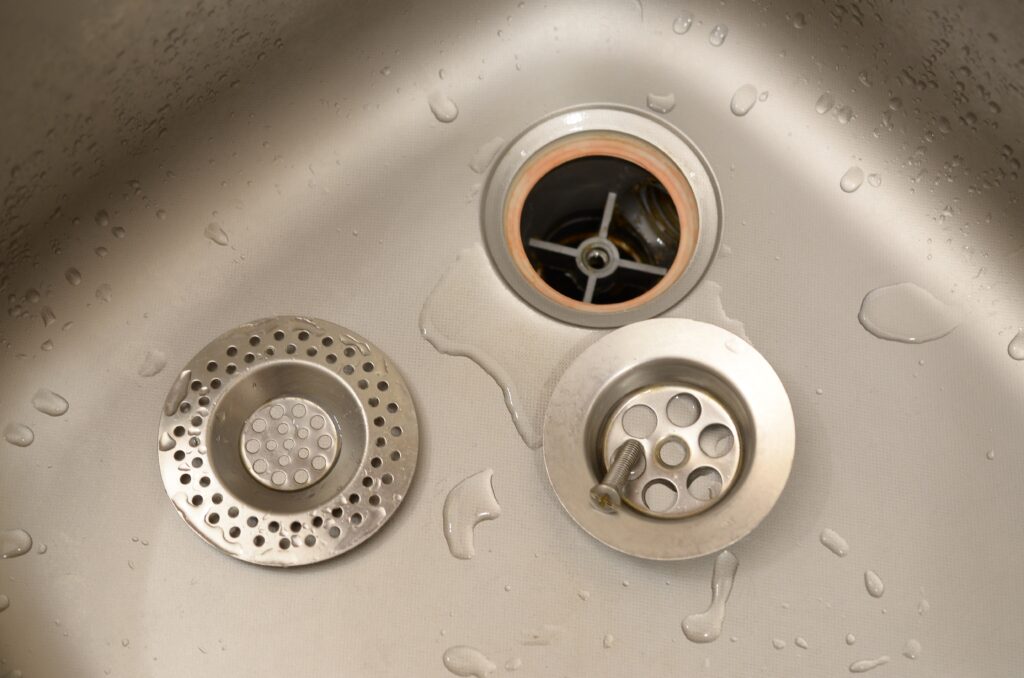
Common causes include hair buildup, grease, soap scum, and foreign objects lodged in the pipes. You might notice slow drainage, gurgling sounds, or unpleasant odours as early warning signs.
The cost to clear a clogged drain depends on the method used and the clog’s location. Simple clogs can often be cleared for around $150 to $300.
However, if the clog is deep within the plumbing system, requiring more advanced techniques and thorough inspection, the cost can go up to $400 or more.
Water heater failures
Water heater issues can be particularly urgent, especially in the colder months when hot water is essential.
Common problems include faulty thermostats, sediment buildup, or leaks. Signs of a failing water heater include inconsistent water temperature, strange noises, or water discolouration.
The cost to repair a water heater can vary.
Minor repairs might cost between $150 and $300. If the water heater needs to be replaced entirely, you could be looking at $700 to $1,500, depending on the unit and installation complexity.
Being aware of these common scenarios and their associated costs can help you better prepare for the unexpected.
Now, let’s look at how to prepare for plumbing emergencies to minimise their impact on your wallet and sanity.
How to prepare for plumbing emergencies
Preparing for plumbing emergencies can save you both money and stress. Here’s how to stay ahead of potential issues.
Regular maintenance tips
Preventative maintenance helps you avoid plumbing emergencies.
Regularly check for leaks, drips, and signs of wear and tear on pipes and fixtures.
Clean drains and gutters to prevent clogs, and insulate exposed pipes before winter to prevent freezing.
Routine inspections by a professional can also catch small issues before they become big problems.
Budgeting for emergencies
Setting aside an emergency fund specifically for home repairs is a smart move. Try to save a small amount each month until you have enough to cover potential emergency costs.
Even a modest fund can provide peace of mind when something unexpected happens. It’s reassuring to know you have the financial cushion to tackle plumbing issues right away without stressing about the cost.
Additionally, consider looking into insurance options that cover plumbing emergencies.
Homeowner’s insurance often includes coverage for sudden and accidental water damage, but it is best to read the fine print and understand what’s actually covered.
Some policies might not cover all types of plumbing problems, so you may want to consider additional coverage for extra protection.
By having both savings and the right insurance in place, you’ll be well-prepared to handle any plumbing emergency that comes your way with confidence and ease.
Knowing you’re financially prepared can make a big difference when you’re faced with a stressful situation, allowing you to focus on resolving the issue rather than worrying about the costs.
Professionals are only a call away
It’s also worth thinking about how much a plumbing emergency could cost if things go wrong with a DIY fix. Sure, handling a small problem on your own might seem like it saves money, but without the right know-how and tools, you could accidentally make things worse.
This could turn what started as a minor issue into a major—and expensive—emergency.
Simple tasks like unclogging a sink or tightening a loose faucet might be within your capabilities.
However, for issues like burst pipes, major leaks, or water heater problems, it’s best to call an emergency plumber.
Attempting to fix complex problems without the right tools or expertise can lead to bigger issues and higher costs down the line.
When in doubt, it’s always safer (and often cheaper in the long run) to rely on a professional’s expertise.
Always be ready for plumbing emergencies
Being prepared for plumbing emergencies can make a world of difference.
Knowing the potential costs, keeping up with regular maintenance, and understanding when to call a professional can save you both stress and money.
Staying informed and proactive helps you tackle plumbing issues head-on, preventing small problems from becoming major headaches.
Of course, a little preparation goes a long way.
Take the time to inspect your plumbing, set aside a budget for emergencies, and have a trusted plumber’s contact info handy. This way, you’ll be ready for whatever comes.