
Finding a brown stain on your ceiling is the worst. It’s easy to miss, but this small issue can be a sign of a bigger problem – the dreaded water leak.
As they say, an ounce of prevention is worth a pound of cure.
And that’s especially true for leaks.
Leak detection is about tracking small leaks before they turn into big structural problems. Fix it early for a quick and easy patch-up instead of a wallet-draining problem.
This guide will help leak search early so you can avoid six common home disasters. By learning how to spot leaks early, you can avoid these headaches and keep your property safe.
What exactly is leak detection, anyway?
When you hear “leak detection,” what comes to mind? Dripping taps in the kitchen? A puddle under your bathroom vanity?
It’s actually more than that.
Leak detection involves finding sneaky leaks hidden anywhere in your house, not just the wet places. It includes tracking unexpected water or fluid flow within any system in your home, from pipes to appliances.
But how? Well, leaks are more than what meets the eye.
Plumbing professionals use sophisticated tools to identify where leaks are coming from. We’re talking infrared cameras that can see temperature differences in walls. They also use acoustic detectors that hear water moving where it shouldn’t be, and even smart home devices that go off if there’s too much moisture in the air.
Leak detection might seem easy, but it’s a complex process that keeps your home running smoothly and safely. With the right tools, it can find hidden leaks and keep your home safe for a long time.
Why should you care about leak detection?
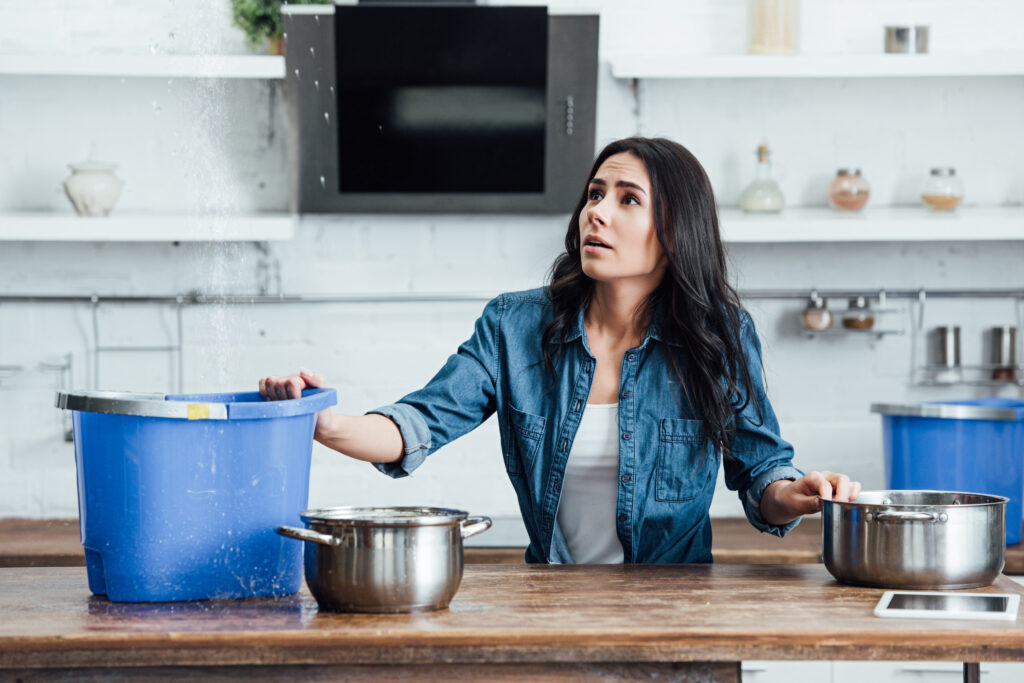
Whether you rent or own, having your own place is a good feeling. It’s your space to decorate how you like and live by your own rules.
But with all that freedom comes some responsibility, too. And this includes maintaining and protecting your property.
Did you know that water leaks are responsible for significant property damage in Australia? In fact, according to the Insurance Council of Australia, tonnes of homeowners make insurance claims because of water damage, costing millions of dollars annually.
Leaks aren’t just bad for your walls – they can hurt your wallet too.
Think about it. A leak means wasted water, which jacks up your bill. Then there’s the cost of repairs if you don’t catch it early. Yes, expenses can – and will – add up fast.
Leak detection isn’t just about fixing drips and puddles. By checking for leaks early and fixing them fast, you can protect your property, conserve water, and avoid costly repairs down the line.
Six home disasters you can avoid with leak detection
When it comes to the safety and integrity of your home, some problems often fly under the radar. Let’s dive into six disaster scenarios and see how leak detection can be your best defence.
Disaster 1: mould and mildew invasion
Mould and mildew love damp and humid environments, making leaks their perfect breeding ground.
When moisture seeps into walls, floors, or ceilings, it creates the best conditions for mould to grow. This mould can then damage your house and make your family sick. From respiratory issues to allergic reactions, the consequences can be severe.
Disaster 2: structural damage to your home
We all know water can be powerful, right? I’m sure you’ve seen a tsunami flatten an area. Water can do immense damage, whether it comes in as a wave or a small trickle.
Even a tiny leak, like a pipe drip or a roof leak, can lead to rot, corrosion, and decay.
Moisture can seep into wood, drywall, or concrete. When that happens, it can weaken these materials, increasing the risk of collapses, sagging floors, and crumbling foundations.
Taking care of leaks ASAP is important to prevent costly repairs and keep your home strong for a long time.

Disaster 3: sky-high water bills
Even the smallest leaks can mean big water bills over time.
Every drop adds up. The Environmental Protection Agency (EPA) says that the average house wastes almost 10,000 gallons a year from leaks. That’s not just a drain on your finances. It’s also a strain on the environment.
So by catching leaks early, you avoid unexpected spikes in your water bills and help the planet.
Disaster 4: electrical hazards
Water and electricity don’t mix. Water can cause electrical shorts, fires, and electrocution risks. These hazards are potentially life-threatening.
Don’t wait until a leaky roof drips on your wires or a burst pipe floods your basement fuse box. Fix leaks near electrical components right away and make sure that your wiring is always in good shape.
Disaster 5: dealing with pest Infestations
Aside from mould, the moist and damp invite other intruders.
Leaks attract pests like cockroaches, ants, rodents, and even termites. These unwanted guests can cause damage and spread diseases.
But by fixing leaks and keeping things dry, you can give them the boot and keep your home pest-free.
Disaster 6: Damaged personal belongings
Pieces of furniture aren’t cheap – especially if you have a design vision in your head. Surely, it took you a lot of time to pick out the perfect dresser for your bedroom.
Unnoticed leaks can damage your personal belongings, from furniture and electronics to special keepsakes. Water damage can also ruin carpets, warp wood, corrode metal, and even ruin your favourite things.
The emotional and financial toll of water damage can be devastating. Protecting your belongings starts with finding leaks early and fixing them fast.
How to spot the early signs of a leak
We can’t say it enough – detecting a leak early can mean the difference between a minor inconvenience and a major disaster.
Here are some tips to stay on the lookout and catch leaks before they cause big problems:
Common signs of a leak
Watch out for signs like the following:
- A sudden increase in your water bill
- Damp or discoloured spots on walls or ceilings
- Musty odours
- Peeling paint or wallpaper
- Soggy patches in your yard
These could all mean that hidden leaks are lurking beneath the surface.
Encourage regular inspection and maintenance
Inspect your home for signs of leaks at least once a month. Look under sinks, around appliances, and along pipes for signs of moisture or water damage.
It’s also a good idea to have a qualified plumber check your plumbing system every year. They can find hidden leaks and fix them before they cause a problem.
Importance of professional assessments
While you can check for leaks on your own, some might be more difficult to spot.
That’s where professional leak detection services come in. Trained pros have the tools and skills to sniff out hidden leaks, even behind walls or under floors.
Getting a professional check can give you peace of mind and help you stop leaks before they cause significant damage.
Leak detection: keeping your home safe and dry
Keeping your home safe from leaks doesn’t have to be a headache. From mould and structural damage to sky-high water bills and electrical hazards, knowing what you are up against is half the battle already won. By checking for leaks regularly, you’re ready to prevent any potential disaster.
And remember, you don’t have to do it alone.
Whether it’s a drip, a puddle, or a hidden leak, there are professionals ready to help keep your home safe.
Keep your home a sanctuary for all things good (and moist-free). By following these tips, you’ll enjoy peace of mind and dry days ahead.