
Imagine enjoying a quiet Sunday afternoon. It’s your day off from work, and you’re catching up on chores — doing the dishes as your favourite song plays in the background.
Out of nowhere, the kitchen sink decides to put on a show. Water starts backing up, and there is a distinct funky smell a scented candle won’t mask.
Not a big deal, right? Just another item for your Monday to-do list.
Yet, such a small issue, like not knowing how often should drains be inspected, can be a sign of bigger problems hiding in your home’s plumbing system.
Ignoring these signs and not scheduling regular cctv drain inspections can lead to major clogs, sewer backups, and even costly repairs. It’s better to be proactive and catch these issues early.
Let’s be honest: regular drain inspections might not be the most exciting thing on your to-do list – but they can save you a lot of hassle. Think of it as a small investment of time and money that can prevent major plumbing issues down the line. Plus, it’s a great excuse to learn more about how your home works!
How often should drains be inspected? In this post, we’ll discuss the five warning signs that your drains need a check-up. We’ll also explain why they shouldn’t be brushed off and how catching them early can save you money and avoid the stress of emergency repairs.
What exactly is a drain inspection?
Contrary to what you might think, drain inspections are more than just peeking down a pipe and hoping for the best. It’s a precise process that plumbers use to make sure that your home’s drainage system is working smoothly.
A drain inspection is quite literally a health checkup for your home’s drainage system. Think of it as a diagnostic test that looks inside your plumbing to make sure everything is flowing smoothly – very similar to your annual physical.
Using advanced tools and technology, plumbers can see blockages, damage, and wear that aren’t visible to the naked eye.
While it may differ from provider to provider, most plumbers use a small, high-definition camera mounted on the end of a flexible rod. This pipe camera is then navigated through the drain, and it sends live feedback to a monitor, allowing the technician to spot issues in real-time.
They can also use special tools to clear clogs and to blast away stubborn buildup, like motorised drain snakes or even hydro-jetting equipment.
How often should drains be inspected?
The frequency of drain inspections depends on the property type and how you use it.
A good rule of thumb for residential homes is to have a thorough drain inspection at least once every two years. However, an annual inspection might be needed if your home is older or you’ve experienced previous plumbing issues.
Commercial properties, on the other hand, often require more frequent checks. Restaurants, for instance, with their heavy reliance on kitchen drains and the potential for grease buildup, might need quarterly inspections to prevent disruptive and costly blockages.
Several factors also influence how often you should schedule an inspection:
- Age of the building – Older buildings with outdated plumbing systems may need more frequent inspections.
- How much water you use – Homes with high water usage, whether from large families or specific appliances, might require more regular checks.
- Past plumbing problems – If you’ve had multiple clogs or backups in the past, it’s a good idea to increase the frequency of inspections to prevent future occurrences.
Five signs your home is due for a drain inspection
There’s an old saying that goes, “Your home talks to you”. When it comes to plumbing, clogged pipes often scream for help.
Certain signals shouldn’t be brushed off. Here are five signs that are your home’s way of waving a red flag.
Sign #1 – unpleasant odours
Have you ever walked into a room and been hit with a musty, sour smell that makes you wrinkle your nose? This is your drain’s way of crying for help.
Unpleasant odours are often the first sign that something’s not right down below. It could be something as simple as trapped food or as serious as a sewer backup.
- Tip: Sniff around to find the strongest point of the smell—it’s usually closest to the problem source. Check drains in seldom-used areas like guest bathrooms or utility rooms because dry traps can emit sewer-like odours.
- Friendly Advice: If flushing the drain with water doesn’t clear up the smell, it might be time to call in a pro before things get worse
Sign #2 – slow drains
A slow drain might seem like a minor annoyance, something you can ignore for a while. But here’s the thing: slow drains are a sign that your pipes aren’t working properly. If you ignore them, it can escalate into a complete blockage.
- Troubleshooting Steps: Start with a plunger. If that doesn’t work, try a drain snake. Avoid chemical cleaners, as they can damage your pipes over time.
- Bonus Tip: Regularly remove debris from sink stoppers and shower drains to prevent buildup.
Sign #3 – gurgling sounds
Gurgling sounds from your drains are like your plumbing trying to talk to you. This noise may indicate a blockage in the vent pipes, affecting the water flow and air pressure.
- Quick Tip: Keep an eye on your roof vents and any exposed pipes outside your house. Clear away any visible obstructions like leaves, nests, or other debris blocking them.
Sign #4 – water backing up
Water backing up from a drain or toilet is a major plumbing emergency. This could be caused by a clog somewhere in your pipes or even a backup in the sewer system.
- Preventative Measures: Install backflow preventers to help stop sewage from returning to your house. Also, regularly clean out low points in your plumbing where debris naturally collects.
- Remember: Backups often happen slowly at first. If you notice slow drainage, act quickly to avoid worse issues. Don’t wait until they overflow.
Sign #5 – visible signs of mould or mildew
Mould or mildew around pipes, particularly in basements and under sinks, is a health hazard. These fungi thrive in moist environments and often indicate leaks or excessive condensation.
- Spotting Signs Early: Regularly inspect areas under sinks, around toilets, and anywhere pipes run. Early detection can mean the difference between a simple cleanup and a major mould infestation.
- Health Tip: Keep humidity levels in your home in check to discourage mould growth. Dehumidifiers can be a great help in damp areas.
Following these tips, you can keep your plumbing healthy and avoid expensive repairs. Listen to your house—it’s usually telling you exactly when you need to call in professionals.
Home plumbing maintenance to keep your drains clear
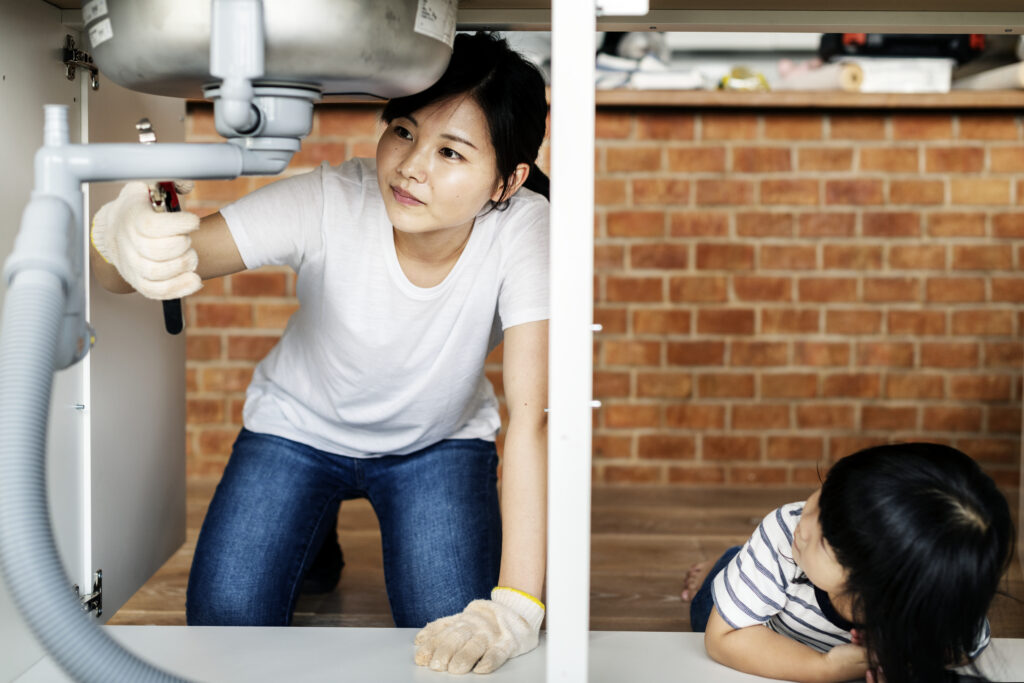
Maintaining your home’s plumbing system doesn’t require you to be an expert. Regular checks can help you avoid unexpected and often costly repairs.
Here’s a straightforward checklist, along with some maintenance advice that any homeowner can manage.
Your monthly drain inspection checklist:
- Check for slow drains – Test the drainage speed in sinks and showers. Slow clearing could indicate a developing clog.
- Do a sniff test – Routinely smell your drains for any foul odours that might suggest buildup or blockages deep within the plumbing.
- Look for leaks – Regularly inspect under sinks, around toilets, and anywhere you can access visible plumbing. Look for signs of moisture, puddling, or mould.
Seasonal maintenance tips:
- Spring – Clear out gutters, downspouts, and plumbing vents that might be clogged with debris from winter.
- Summer – Check for any plumbing issues caused by heat and humidity, such as swelling pipes or increased condensation.
- Fall – Prepare your plumbing for colder weather by insulating pipes exposed to external walls.
- Winter – Ensure all indoor and outdoor pipes are protected against freezing; let faucets drip slightly during extremely cold weather to prevent pipes from freezing.
Common mistakes to avoid:
- Grease in the sink – Never pour grease down the drain, as it can solidify and cause clogs.
- Take note of non-flushable items – Only human waste and toilet paper should be flushed. Even items labelled as “flushable”, like certain wipes, can block drains.
When DIY isn’t enough…
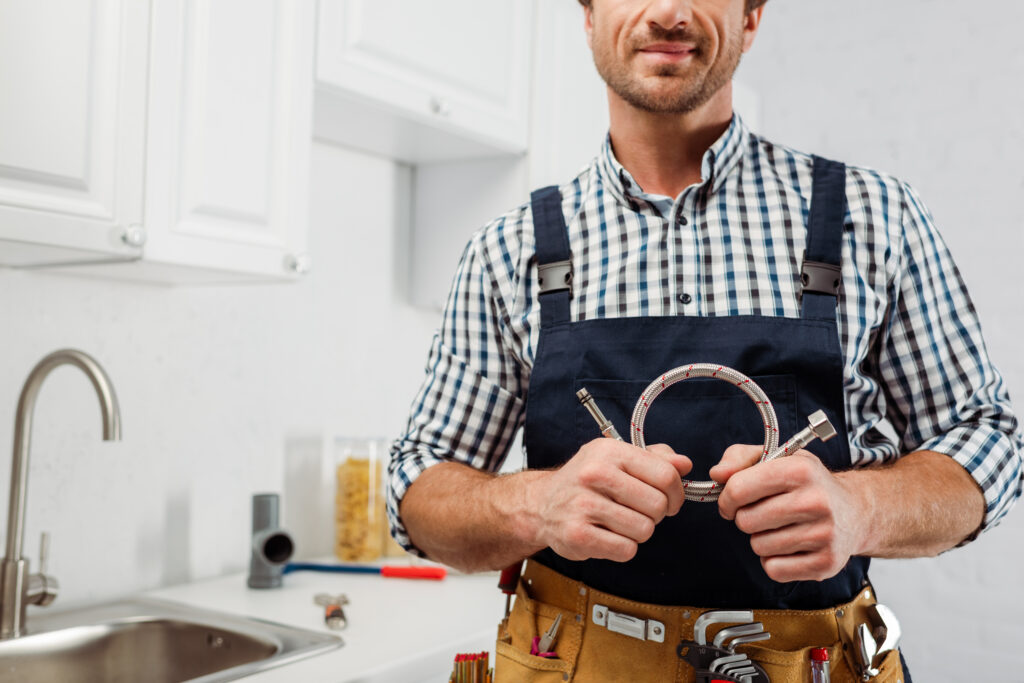
Fixing your own plumbing can save money sometimes, but there are times when only a professional should handle the situation. Knowing when to call in the experts can save you from turning a manageable issue into a disaster.
- Significant blockages – If home remedies like plunging or snaking don’t clear a blockage, you need a professional.
- Water pressure issues – Fluctuations in water pressure throughout the house often require the diagnostic tools and expertise of a plumber.
- Visible signs of water damage – If you notice water stains on walls or ceilings, it’s time to call in a pro to investigate potential leaks in hidden pipes.
- Yearly maintenance checks – Engage a professional for an annual inspection to ensure everything is in shape. They can spot issues you might miss.
Clear pipes, clear minds
Drains are built to last, but that doesn’t mean they don’t need a little TLC once in a while.
Keep an eye out for those clear warning signs — odours strong enough to knock out a nosy neighbour, drains moving slower than weekend traffic, bizarre gurgling sounds that could rival stomach rumbles, surprise water parties from your sink, and any unauthorised mould gatherings.
Think of your home’s age and those quirky plumbing symptoms as gentle nudges (or desperate pleas) for a little attention. Don’t wait for a full-blown plumbing disaster before taking action.
A bit of preventative care really goes a long way. After all, there’s nothing quite like the calm of knowing your home is in tip-top shape.