
Key takeaways
- Fixing a leaking tap yourself can save money, but only if the problem is simple and the parts are easy to reach.
- Calling a plumber often takes less time and reduces the risk of worsening the leak or causing water damage.
- If the tap is old, stuck, or leaking near the wall, experienced help is often the safer choice.
- For urgent leaks, Priority 1 Plumbing can help homeowners with prompt service.
A small drip may seem harmless, but it can waste water, bother the household, and sometimes point to a bigger problem.
The Queensland Government says one slowly dripping tap can waste more than a bucket of water a week.
That means even a small leak can add up over time. Knowing when to fix it yourself and when to call a plumber can save money and stress.
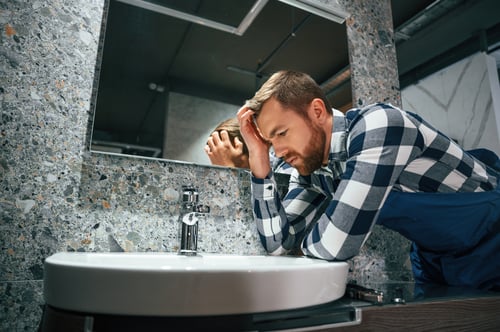
When a DIY fix makes sense
Fixing a leaking tap yourself can work well when the tap washer, O-ring, or cartridge is easy to reach.
This is often the case with simple kitchen or laundry taps that aren’t too old.
If you can turn off the water, remove the handle, and replace a worn part, you may solve the problem in under an hour.
Many tap leaks stem from a small, worn part rather than a major fault.
That means a basic repair can be enough if the tap body is still in good shape.
For a homeowner who likes simple jobs, this can be a low-cost way to quickly stop a drip.
- Best for visible drips from a standard mixer or laundry tap.
- Best for homes with easy access to the tap fittings.
- Best when the leak started recently, and the tap still turns smoothly.
Time and tools needed
Most simple DIY tap repairs take 30 to 90 minutes.
That includes turning off the water, taking the tap apart, replacing the worn part, and testing for leaks.
If the right part isn’t already on hand, the job may take longer because you may need to make a trip to the hardware store.
Tools and preparation
You don’t need a large toolbox for a basic repair, but you do need the right items.
- Adjustable spanner.
- Screwdriver set.
- Replacement washer, O-ring, or cartridge.
- Bucket and towel.
- Flashlight for tight spaces.
Before you start, shut off the water at the fixture or the main valve if needed.
Then check how the tap is put together so you can reassemble it in the right order.
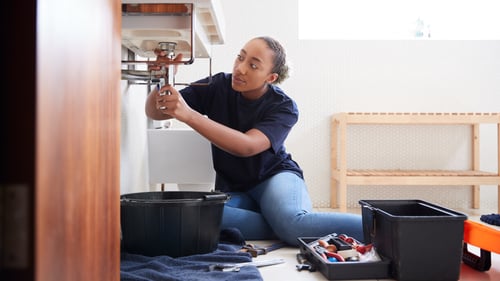
Cost of doing it yourself
DIY is usually cheaper than calling a plumber, especially for a simple washer change.
A replacement washer or seal may cost only a few dollars, while a cartridge can cost more depending on the tap brand.
You may also spend money on tools if you don’t already own them.
Even so, the lowest upfront cost isn’t always the cheapest result.
If a DIY repair fails, you might need a plumber for this urgent issue, so you don’t end up paying more overall.
- Washer or O-ring: low cost.
- Cartridge: moderate cost.
- New tools: extra cost if you don’t own them.
- Possible extra cost if a mistake causes water damage.
Risks to watch for
The main risk with fixing a leaking tap yourself is causing more damage than the original leak.
Over-tightening parts can crack fittings or strip threads.
Older taps can break during disassembly, especially after years in place.
Common DIY mistakes
Not all leaks are solved with a washer replacement.
A worn seat or damaged valve will keep the drip going, even after a quick fix.
Watch for these common mistakes:
- Using the wrong replacement part.
- Forcing stuck fittings.
- Leaving the water supply partially open.
- Missing a hidden leak after reassembly.
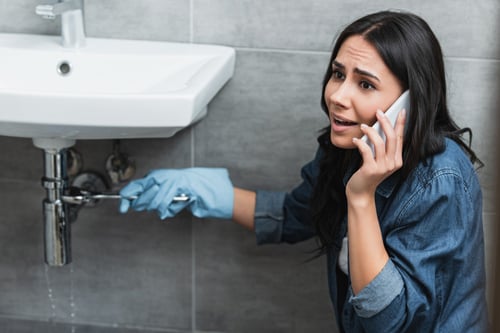
Calling a plumber for a leaking tap
When skilled help is the better choice
Calling a plumber is often the better option when the tap is old, rusted, or hard to reach.
It’s also wise to check for leaks near the wall, under the sink, or inside a vanity, where water damage could spread.
If it still leaks after you try to fix it, a plumber can inspect the entire setup and identify the cause.
Why speed matters in Brisbane homes
In Brisbane, heat and humidity can make small water problems worse over time.
A slow leak can damage cabinets, plaster, and floors if it goes on too long. In Queensland, that matters even more because Queensland Health says heat, humidity, and extra moisture can help mould grow.
That’s why a quick visit from a licenced plumber can save time later.
Priority 1 Plumbing services parts of Brisbane across the inner, north, south, east, and west, plus selected Moreton Bay suburbs.
Time and convenience
A plumber can usually diagnose the issue faster than a first-time DIY repairer.
What might take you an afternoon may take a plumber a short visit, depending on the tap and the fault.
They arrive with the right parts, tools, and experience to spot related issues.
- Less time spent shopping for parts.
- Less time spent taking fittings apart and reassembling them.
- Less risk of repeated leaks after the repair.
- Less disruption for families, shift workers, and seniors at home.
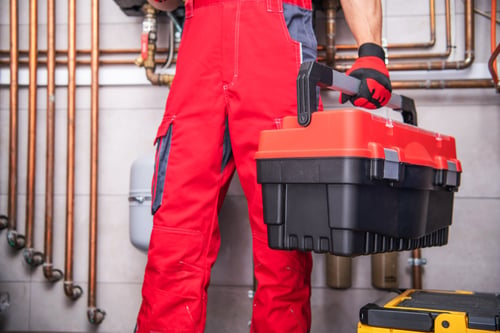
Cost of hiring a plumber
The upfront cost of hiring a plumber is usually higher than that of a DIY fix.
That said, you’re paying for labour, skill, diagnosis, and reduced risk.
In many cases, the value comes from getting the repair done the first time properly.
Prices can vary depending on the tap type, access, parts needed, and whether the job is urgent.
A free estimate, if offered, helps you understand the likely cost before work begins.
- Simple repair with easy access: usually lower cost.
- Stuck or corroded tap: often higher cost.
- After-hours call-out: may cost more.
- Extra pipe or fixture damage: may increase the price.
Risk reduction and legal peace of mind
A licenced plumber can help prevent hidden leaks and unsafe work.
In Queensland, most plumbing and drainage work must be done by a licenced plumber and drainer. That matters when the job is more than a simple fix.
It also matters because services must be done with due care and skill under Australian Consumer Law.
Leaks in bathrooms and kitchens can lead to mould, swollen timber, and other costly damage.
Things to consider before booking
Not every plumber is right for every job, so it helps to ask a few simple questions.
- Are you licenced to do this work in Queensland?
- Do you offer a free estimate before starting?
- Can you explain the likely cause in plain language?
- Will you check for any nearby damage during the visit?
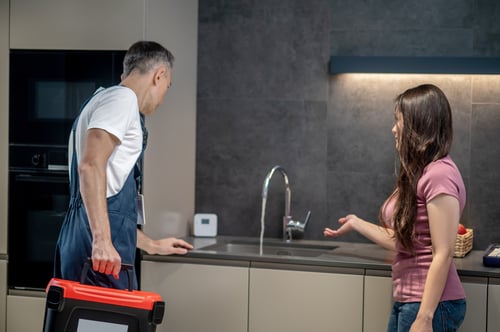
Time, cost, and risk are compared
Side-by-side comparison
When comparing fixing a leaking tap yourself versus hiring a plumber, the best choice depends on the size of the problem.
A simple washer fix may be fine to do yourself, but a stubborn leak often needs a licenced plumber.
This isn’t only about money, because time and risk can matter more in a busy household.
What Brisbane homeowners often forget
Many people only think about the repair cost and forget what delays can cost.
A dripping tap can waste water over time, which may show up on your next bill. Urban Utilities notes that homeowners still pay for water lost through leaks on their property.
It can also interrupt sleep if the drip is in a quiet bathroom or ensuite.
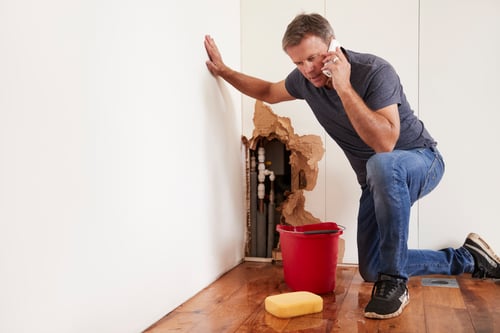
Signs you should call a plumber now
#1 – The leak is coming from more than one place
If water is dripping from the spout and around the handle, the problem may be bigger than a worn seal.
Multiple leak points can mean internal damage or loose fittings.
That’s a good time to book a plumber rather than guess.
#2 – The tap won’t budge
A tap that won’t turn freely can be a sign of age, rust, or mineral build-up.
Forcing it can snap the handle or damage the plumbing underneath.
This is one of the clearest signs that fixing a leaking tap yourself may not be worth the risk.
#3 – You’ve already tried once
If you replaced a washer and the tap still drips, the real fault may be elsewhere.
At that point, a plumber can save time by checking the seat, cartridge, or supply line.
That also helps avoid buying the wrong parts again.
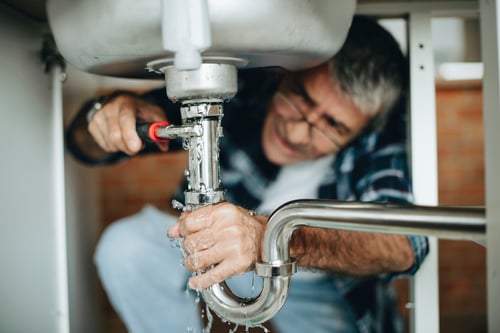
Why this matters for families and older homeowners
Older homeowners may prefer a quick, low-stress fix over a drawn-out repair.
Families with young children may also want the water problem handled fast to avoid mess and disruption.
A plumber can often reduce the strain by handling the entire job in a single visit.
- The tap body is cracked or corroded.
- The leak is severe or getting worse.
- You’re unsure how to safely isolate the water supply.

How to choose the better fix
Ask three simple questions
Before you decide, ask yourself how long the job might take, what it may cost, and what could go wrong.
If the answer is unclear, that often points towards professional help.
These questions help you make a practical choice, not just the cheapest one.
- Can I easily reach the faulty part?
- Do I know which replacement part I need?
- Would a mistake cause water damage or extra cost?
Match the fix to the tap type
Different taps behave differently, so the same repair doesn’t always suit every fixture.
A standard basin tap may be simple, while a mixer tap or older style fitting may need more care.
If you’re not sure what type you have, a plumber can quickly identify it.
Quick note
Photos can help if you call for advice or request a free estimate, if offered.
Clear photos of the tap, handle, and any visible leak make it easier to assess the job.
What to expect from a good plumber visit
A good plumber should explain the fault, the repair steps, and the likely cost before starting.
They should also work with care, keep the area tidy, and check that the tap runs properly after the repair.
That’s especially helpful when you need reliable service for a home in Brisbane or nearby suburbs.
- Clear explanation of the problem.
- Practical repair options.
- Upfront pricing information is available.
- Testing after the repair is complete.
Your next steps
Use this simple action plan
Start by turning off the water and checking how serious the leak is.
If the tap is easy to access and the part is simple, a DIY repair may be enough.
If the tap is old, stuck, or still leaking after one attempt, book a plumber.
- Check where the leak is coming from.
- Turn off the water supply before touching the tap.
- Decide if the repair is simple enough to do safely.
- Gather the right parts and tools, or stop and call a plumber.
- Ask for a free estimate, if offered, before work begins.
- Choose a licenced Brisbane plumber for less risk and hassle.
If you’re in Brisbane and need help with fixing a leaking tap, Priority 1 Plumbing can assist with prompt service and clear advice.
For urgent leaks or routine tap repairs, getting the right help early can protect your home and save time.