
Key Takeaways:
- Replacing a hot water system in Brisbane costs between $1,200 and $4,500 depending on the type, electric is cheapest upfront, solar and heat pumps cost more but save later.
- Installers might charge extra for things like removing your old tank, fixing old pipes or upgrading your switchboard, ask what’s included before saying yes.
- You can get hundreds off with rebates in QLD if you go with solar or heat pump options, and most plumbers will help file the paperwork.
Hot water systems don’t last forever. After a while, parts wear out, energy bills creep up, and one morning the shower just runs cold.
When that happens, most people start with a few quick fixes. But eventually, hot water system repairs stop working or cost too much to justify. That’s when it’s time to think about replacement.
Replacing a hot water system isn’t something people do often. Most only face it once or twice in their life. So it’s normal to have no idea what it costs or what’s involved.
This guide breaks it down clearly. What the replacement actually costs. What makes it go up or down. And how to tell when a system is past saving.
How much it actually costs to replace a hot water system
The cost to replace a hot water system can range anywhere from $1,000 – $9,500.. The price depends on the type of system, the size, and how straightforward the installation is. Some replacements are quick and easy. Others take a full day and involve plumbing changes, electrical work, or gas upgrades.
Most people don’t just pay for the unit itself. The total cost includes removal of the old system, new fittings or valves, and labour. In some cases, it also includes bringing older setups up to code or upgrading connections that no longer meet safety standards.
Here’s what the average prices look like in Australia based on the type of system:
- Electric storage systems: These usually cost between $900 and $1,800 installed. The unit itself is cheaper than most others, and installation tends to be simpler.
- Electric continuous flow: These sit around $1,000 to $2,000. They’re more efficient but may need an electrical upgrade depending on the home’s wiring.
- Gas storage systems: Expect to pay between $1,300 and $2,500. Gas systems are quicker to reheat but installation can be more involved, especially if gas lines need adjusting.
- Gas continuous flow: These usually cost from $1,500 to $3,000. They’re efficient, compact, and popular in households with steady hot water demand.
- Solar hot water systems: Prices can range from $3,000 to $7,000, depending on the size and whether it includes a gas or electric booster. Installation is more complex and may require a roof plumber.
- Heat pump systems: These cost between $2,500 and $5,000. They use electricity but are far more energy-efficient than standard electric systems.
That said, these are broad estimates. Every house is different.
Several factors come into play behind the scenes. Between the condition of the current system, the position of the unit, and how the property is set up all play a part in the final price, here are the main ones to be aware of.
Five key costs that make up the total replacement price
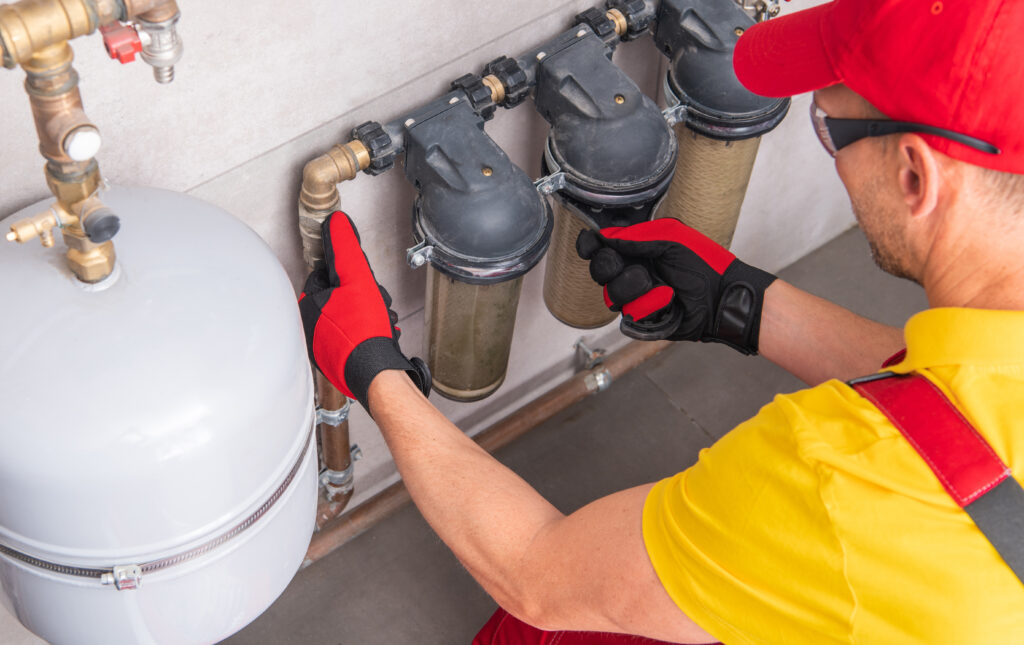
Replacing a hot water system isn’t just about swapping the unit. There are a few separate costs that stack up. Some people get caught out because they only look at the price of the system itself. Here’s what actually goes into the full price.
1. The cost of the hot water unit
This is the first thing people look at, and it can vary a lot. Electric storage units are usually the cheapest. Continuous flow units, heat pumps, and solar systems are more expensive upfront.
The price depends on the size, brand, efficiency rating, and whether it’s a newer model. Higher-efficiency units often cost more to buy, but they use less energy over time. Some people also go for smart features or better warranties, which can push the price up.
In Australia, prices for new hot water systems can range from around $400 to over $5,000. Electric storage heaters start at the lower end, usually between $400 and $1,500. Gas systems cost a bit more, often sitting between $900 and $2,000. Continuous flow or instantaneous units typically fall in the $1,000 to $2,500 range. Heat pump systems can cost between $2,500 and $4,000, while solar setups are the most expensive, usually between $3,000 and $5,000 or more, especially when installation is included.
2. Installation and labour
Labour makes up a big chunk of the bill. If the new system is the same type and size as the old one, it’s usually a quick job. But even then, it can still take a few hours to remove the old unit, connect the new one, check everything works, and clean up.
Hot water system installation take longer when the plumber has to reroute pipes, move the system to a different spot, or fix old connections. Labour charges go up when the job is harder to access, especially in tight spaces or older buildings.
3. Upgrading or modifying plumbing or gas lines
This is where costs can jump. If the new system runs on a different energy source, the connections might need upgrading. Old gas lines might not meet current safety standards. A larger unit might need bigger pipes. Even small changes can add hundreds to the total.
Sometimes, valves or tempering devices need to be replaced or added. These are safety requirements, not extras, and they have to be done by law.
4. Disposal and removal of the old unit
Taking out the old system and getting rid of it isn’t always included. Some units are heavy, especially older storage tanks. Getting them out of tight spots or off a roof takes time. Most reputable plumbers charge a standard fee for removal, but it can cost more if the job is awkward or if there are multiple levels involved.
Disposal fees might also vary depending on local waste rules.
5. Ongoing operating costs
It’s easy to forget about what happens after the install. Some systems use more energy or gas than others. That means higher bills. Heat pumps and solar systems cost more upfront but usually cost less to run. Electric storage systems are cheap to install but can be expensive over time.
As a rough guide, electric storage systems can use around 3–4 kWh per day for a small household, adding up to over 1,000 kWh a year. That can mean hundreds in electricity costs, depending on your tariff. Gas systems tend to be cheaper per unit of energy, while heat pumps might use just 1–1.5 kWh per day. Solar setups often offset most of their running costs if the conditions are right.
How to know when it’s time to replace the hot water system
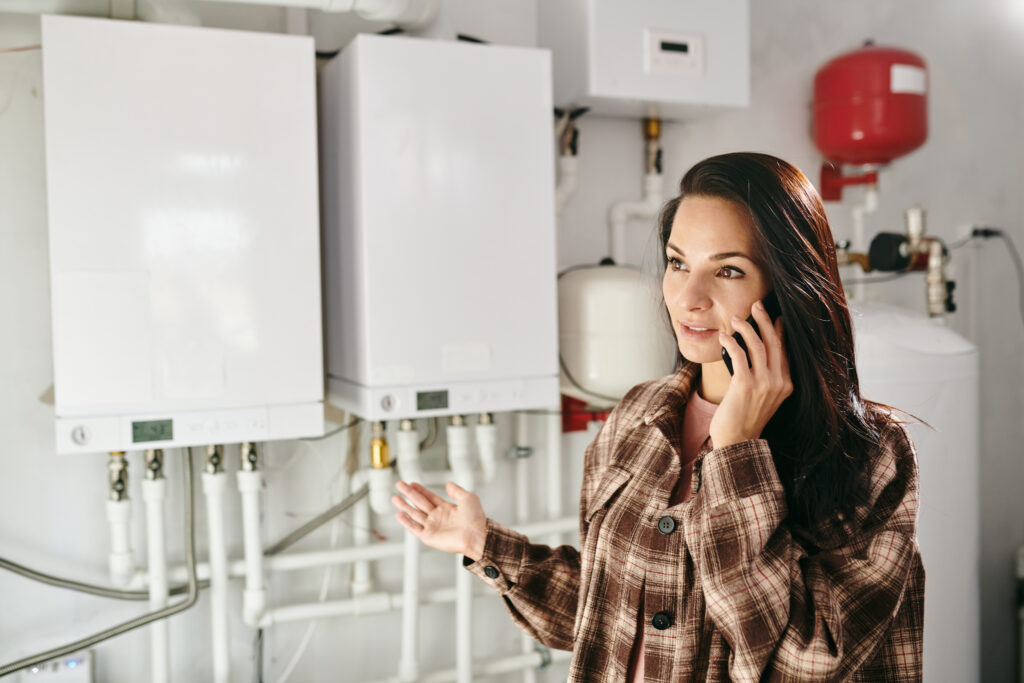
Most systems start showing signs when they’re near the end. Here’s what to look for:
- Water temperature changes often
If hot water runs out faster or gets too hot or cold without warning, the system is likely struggling to keep up. - Strange noises from the tank
Popping or hissing sounds usually point to sediment buildup or internal damage. - Leaks around the unit
Water pooling at the base often means a crack in the tank or a failing internal seal. - Rust in the water or on the tank
Discoloured water or visible corrosion means the tank is likely breaking down from the inside. - Rising energy or water bills
A drop in efficiency shows up on the bills, especially with older electric or gas systems. - Too many repairs in a short time
If it keeps breaking down, it usually costs less to replace it than to keep patching it.
Replacing a hot water system costs more than just the unit
Most people only think about the system price, but there’s a lot more involved. The full cost includes installation, upgrades, disposal, and long-term efficiency.
These things add up. Some can be controlled with good planning, others depend on the property and the system being replaced.
It’s worth paying attention early. A failing system doesn’t always stop working all at once. It usually shows signs. Fixes might buy some time, but dragging it out often leads to extra costs and sudden breakdowns.
Getting the right system, installed properly, by the right professional avoids all that. It keeps the hot water running without stress, and it saves money in the long run.