
Key takeaways
- Hiring a good plumber means finding someone licenced, insured, well-reviewed, and not afraid to put everything in writing.
- Don’t just go with the cheapest. Compare quotes, ask smart questions, and trust how they act before the job starts.
- If your gut says something feels off, walk away. Bad vibes now usually mean bigger problems later.
If your toilet’s backing up or water’s leaking through the ceiling, you don’t have time for games. You need a local emergency plumber who’ll fix the problem without making it worse, or emptying your bank account.
But finding a good plumber isn’t as easy as searching online and picking the top name. Some charge too much. Some show up late or not at all. Some make the problem worse and leave you footing the bill.
This guide walks you through how to hire a plumber who’s actually worth your time and money. Follow these steps and you’ll save yourself stress, money, and cold, wet floors.
How to hire a good plumber
Step 1. Ask people you trust first
Start with the people you already know. Ask friends, family, neighbours, and workmates if they’ve used a plumber recently and if they’d hire them again.
Personal recommendations are the fastest way to narrow your list. If someone you trust had a good experience, that’s worth more than scrolling through a hundred anonymous reviews. And if they had a bad experience, they’ll warn you before you make the same mistake.
You want names, but you also want details. Ask how the plumber handled things. Were they easy to deal with? Did they explain what needed doing? Did they clean up properly afterwards? Did the work hold up?
This is extra helpful if you need a blocked toilet plumber fast. People always remember the tradie who saved their bathroom in an emergency.
The little details often tell you more than the job itself and can save you from hassle, stress, and surprise costs late
It’s also smart to get more than one name. That way you’ve got options in case your first pick isn’t available or turns out to be a poor fit. And don’t wait until your pipes burst. Ask for these names before you’re desperate.
Step 2. Check their licenced and insurance
This step is non-negotiable, especially for services that are in high demand. If a plumber isn’t licenced, you shouldn’t be hiring them.
A trade licence means they’ve completed the necessary training, passed the right exams, and are legally allowed to do plumbing work in your area. Unlicenced plumbers are gambling with your property. If they make a mistake, you have no formal path to hold them accountable.
In most states and territories, you can check a plumber’s licenced number online. They should give it to you straight away if you ask. If they hesitate, that’s a red flag.
Insurance is just as important. At the very least, they need public liability cover. That protects you if your property is damaged while they’re working. For example, if a pipe bursts and floods your kitchen, insurance means you’re not paying to fix it yourself.
It matters even more with emergency toilet repair, where the work is fast, messy, and high risk. One wrong move and you’ve got sewage somewhere it shouldn’t be.
Ask if they also have workers’ compensation insurance. That covers their team in case someone gets injured while working on your property. Without it, you could be held responsible.
Step 3. Read reviews like a detective
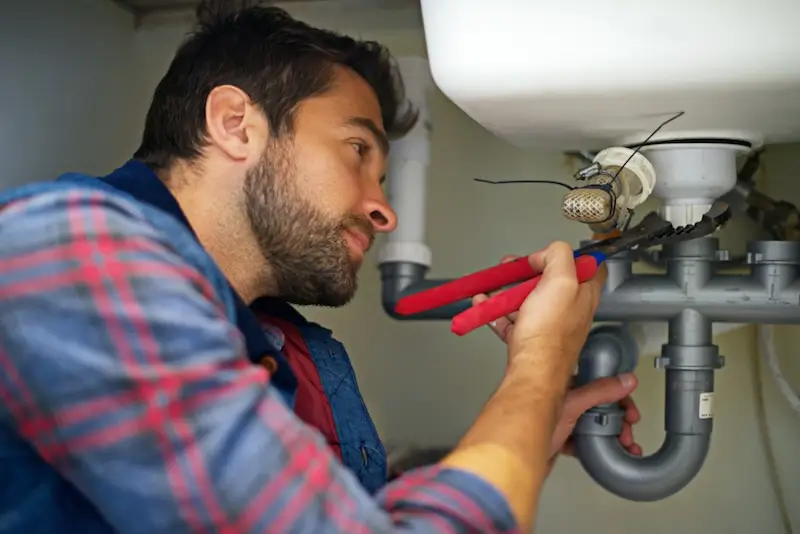
Online reviews can help, but only if you know how to read them properly.
Stick to platforms that don’t allow businesses to filter or remove reviews. Google is reliable. Yelp is decent. ProductReview or local trades directories can be helpful too. Avoid testimonials posted only on a company’s website. After all, no one’s posting their one-star reviews there.
Look for patterns. If one person says the plumber turned up late, that’s an outlier. But if ten people mention poor punctuality or sudden price hikes, that’s a pattern worth paying attention to.
Check the dates too. A great review from 2018 isn’t helpful now. The business could’ve changed hands, or standards might’ve slipped. Focus on reviews from the last year or two.
The tone also matters. Short, vague reviews like “Great job, highly recommended” aren’t very useful. Look for detailed ones. Did the person explain what work was done? Was it an emergency repair or a planned job? Did the plumber explain things clearly and finish on time?
This matters even for a leaking taps plumber, since it’s the kind of job that can show you how reliable and fair they actually are.
You’re not looking for perfection. Every business gets the odd grumpy review. What you want is consistency. Steady, detailed praise means they’re probably doing something right.
Step 4. Ask smart questions before booking
When you contact a plumber, don’t just ask if they’re available. Treat it like a short interview. The way they answer basic questions can tell you a lot.
Here are the ones worth asking:
- Are you licenced and insured?
- Do you charge a flat rate or by the hour?
- Can I get a written quote before work starts?
- What’s included in that price?
- Is there a warranty on parts and labour?
- Will you be doing the work or sending someone else?
A good plumber will answer clearly and confidently. A dodgy one might get annoyed or vague.
Also ask how long they’ve been in business. Newer plumbers aren’t automatically bad, but experience does count. Someone who’s been doing it for years has likely seen a lot, and fixed a lot.
And if you’re after a leak detection service, ask if they use proper gear or just guess where the problem is. Big difference.
And make sure to write down their answers. If you’re calling around, it’s easy to forget who said what. Keeping notes helps you make a smart choice later.
Step 5. Compare quotes but don’t chase the cheapest
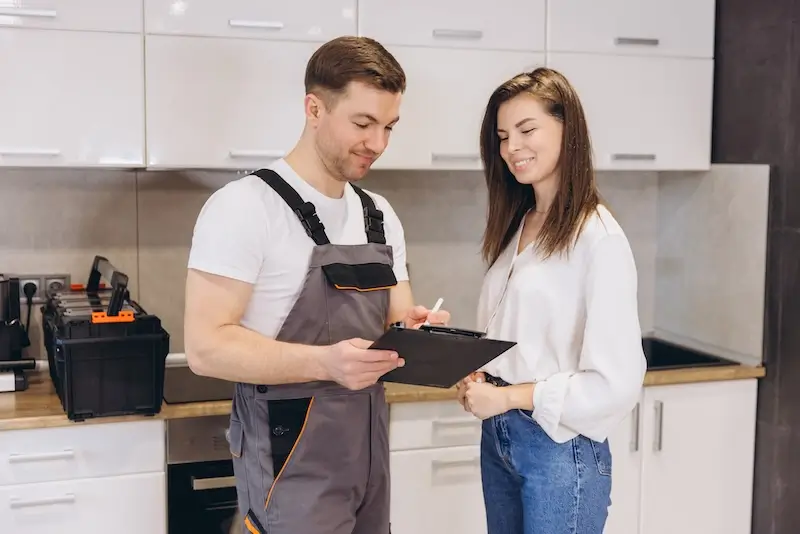
You need at least three quotes. That’s not just about price, it’s about seeing how different plumbers approach the job.
Make sure each quote includes the same things: labour, materials, call-out fees, and any extras like weekend surcharges or removal of old parts. Ask whether it’s a fixed price or just an estimate.
A fixed quote means the price won’t change halfway through. An estimate might. Also, make sure you are comparing prices for the same services. If you are looking for hot water systems repair, then only compare quotes for that specific service.
Same goes if you’re after a blocked drain plumber. The scope and cost can vary a lot depending on tools and access, so don’t compare apples to oranges.
If one quote is significantly cheaper than the rest, be careful. It could mean they’re cutting corners, or they plan to charge extra once the job starts. That cheap price might not stay cheap for long.
You’re not looking for the cheapest plumber. You’re looking for the one who offers the best value. That means clear pricing, no hidden fees, and a job done right the first time.
Good plumbers will explain their quote without pressure. If someone’s vague or tries to rush you into agreeing, that’s a bad sign.
Step 6. Watch how they act before they even start
You can learn a lot about someone before they pick up a spanner.
Did they return your call promptly? Were they polite? Did they turn up when they said they would for the quote?
If they’re unreliable at the start, they won’t magically become professional once the job begins.
Take a look at their vehicle when they arrive. Is it clean and well-kept? Or falling apart with tools scattered everywhere? Professionalism on the outside often reflects how they treat the job itself.
Notice how they speak. Do they explain things clearly, or use a bunch of jargon to confuse you? Do they pressure you to commit quickly, or give you space to decide?
If they seem irritated by your questions or act like you’re wasting their time, don’t ignore that. A good tradesperson earns your trust, they don’t demand it.
Step 7. Always get it in writing before anyone touches a tap
Before a single screw gets turned, you need a written agreement.
It should include the total cost, a breakdown of materials and labour, the expected start and finish dates, how payments will work, and what the warranty covers. Both of you should have a signed copy.
If the plumber shrugs it off and says, “Don’t worry, it’ll be fine,” that’s a red flag. A contract isn’t just about protecting you. It protects them too. A clear scope of work means fewer disputes later.
Verbal agreements fade fast. A written quote stays solid.
Plumbing is part of home care, not just damage control
Plumbing isn’t just about fixing stuff when it breaks.
It’s part of looking after your home.
Like painting the walls or clearing the gutters, it keeps everything running smooth and safe.
Hiring a good plumber isn’t just damage control. It’s how you protect your home from bigger bills later. It’s how you make sure your hot water stays hot and your toilet stays quiet.
So treat it like an investment, not a panic buy.Spend the time now and call the best plumber in your area. You’ll save time, money, and stress later.