
Clogged drains don’t start all at once. Hair, grease, food scraps, and lint build up overtime. These things slowly collect inside your pipes until one day, water stops moving. And now your home smells bad, your sink is filling up, and you’re looking at a plumbing bill.
But it’s easy to stop this from happening. You don’t need to overhaul your whole plumbing system just to deal with a blocked drainage system. You just need small, regular habits that keep everything flowing. These don’t take much time, and they cost next to nothing. But they’ll save you from standing in dirty water or dealing with pipe damage later.
Here are seven tips that work.
1. Stop hair before it gets into your drain
Hair is the top reason bathroom drains get clogged. It mixes with soap and sticks to the inside of pipes. Over time, it forms a thick mat that water can’t get through.
You can prevent most of that by using a mesh strainer in your shower or tub. These cost less than $10 and catch the majority of loose hair. Some come in multi-packs, which is useful if you want extras for guests or backups when one gets too dirty.
If you have long hair or pets, check the strainer daily. Clean it out at least once a week. Don’t wait until water starts pooling around your feet while you shower.
Plastic pop-up stoppers aren’t worth the hassle. They trap gunk and are harder to clean. Replace them with a flat, removable strainer. No tools needed. Just lift it out, rinse it off, and put it back.
The same goes for bathroom sinks. Stray strands, beard trimmings, and loose facial hair all add up. Use a smaller version of the mesh strainer there too. It’s a tiny change that saves you from nasty build-up.
You’ll notice the difference every time water drains the way it should.
2. Do this after cooking to stop grease clogs
Grease is tricky. It’s liquid when hot but turns solid once it cools down in your pipes. Over time, it hardens and clogs everything.
Pouring grease down the sink, even with hot water, doesn’t fix it. That just pushes it further along until it cools and hardens somewhere harder to reach.
Instead, after you’re done frying or roasting, wipe greasy pans with a few paper towels before washing them. Throw the towels in the trash, not the toilet.
Keep an old glass jar or metal can under your sink for used cooking oil. Pour any extra bacon fat or leftover grease into it. Once the container is full, seal it and throw it in the bin. Some local councils offer proper disposal programs for used cooking oil. Check your area.
Also, scrape food scraps off plates before rinsing them. The less fat or food you send into the drain, the better.
Hot water moves grease around. Dish soap helps break it down a little, but not enough. Making this cleanup step part of your cooking routine takes less than a minute. It can save you from a major backup later.
3. Clean your drains weekly with baking soda and vinegar
Chemical drain cleaners are harsh, expensive, and usually don’t work for long. They also eat away at your pipes, especially in older homes.
Thankfully, there are drain cleaning alternatives that are safer and more accessible.
Once a week, pour half a cup of baking soda into the drain. Then pour half a cup of white vinegar after it. Quickly plug the drain with a stopper or rag.
You’ll hear fizzing and bubbling. That’s the mixture breaking down grime and gunk inside the pipes. Let it sit for 10 to 15 minutes, then flush the drain with very hot tap water.
Avoid boiling water if your home has plastic pipes. It can cause warping or cracks over time.
This method works best in high-use drains like your kitchen sink, bathroom sink, shower, and tub. It’s safe for septic systems and doesn’t damage plumbing. Plus, it helps with smells better than store-bought products.
4. Try the double-drain trick if your sink gurgles
Weird sounds after using your bathroom sink, like gurgling or bubbling, usually mean air is stuck in the pipes. That often happens when buildup near the P-trap or vent line creates resistance.
Here’s a simple trick to clear it.
Fill both sides of the bathroom sink halfway with water. If you only have one basin, fill a bowl or use the plug to hold water.
Release both drains at the same time. This creates a strong push of water through the pipes. It often clears out air pockets and small clogs.
If the sound keeps coming back, take out the stopper and look inside with a flashlight. Use gloves and pull out any visible gunk.
Still having problems after that? You might need to snake the drain or call a plumber. But this quick fix works more often than not and takes less than five minutes.
5. One cheap tool fixes most drain problems

Alt text: One of the best drain maintenance tools is a drain snake.
A plastic drain snake is simple, cheap, and handles most clogs. You can find one for under $10 at any hardware store.
Unlike plungers that just push the clog around, a drain snake pulls it out.
To use it, slide the tool into the drain slowly. When you feel resistance, twist it gently and then pull it back. Be ready, what comes out won’t be pretty.
Rinse off the snake and repeat if needed. These are great for showers, tubs, and sinks. Just don’t use them in garbage disposals. The blades will ruin the tool.
Buy more than one and keep them close to where you’ll use them. One in each bathroom makes sense. That way, you don’t have to dig through junk drawers when a clog starts.
No experience needed. No mess if you’re careful. It’s a small tool that solves big problems.
6. Flush every drain monthly to stop build-up
Most people forget that drains need flushing. Sludge builds up slowly and blocks everything when you’re not paying attention.
You can stop it by flushing your drains once a month.
Start with hot tap water. Let it run for 30 seconds in each major drain.
Kitchen, bathroom, and laundry.
Then squirt some dish soap directly into each drain. Let it sit for about a minute. After that, pour very hot water down to wash away grease and food residue.
Only use boiling water with metal pipes. If your home has PVC pipes, stick to hot tap water.
And after you run the dishwasher, let the kitchen tap run hot for another minute. It clears out food bits loosened during the wash.
This routine stops sludge before it layers up. It’s simple and keeps things moving.
7. Know when bad smells mean something worse
Bad smells aren’t always from food. Sometimes they’re signs of something serious.
If you notice a smell like mould or rotten eggs, it could be sewer gas or bacteria from standing water.
Check under sinks, around toilets, and behind appliances for leaks or dried-out seals. These areas often go unnoticed.
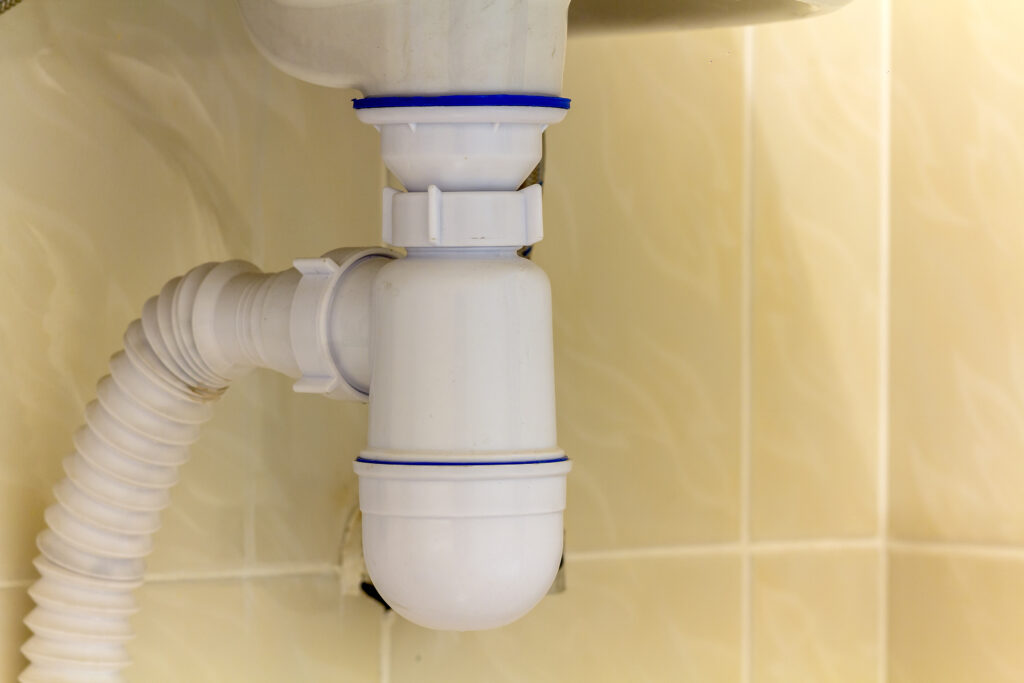
If you have a spare bathroom or a guest sink that doesn’t get much use, run water in it once a week. This refills the P-trap, which blocks odours from coming up through the pipe.
Clean garbage disposals often. Same with drain traps under sinks. These spots hold food and hair that rot and smell.
Still dealing with bad smells? You might have a cracked pipe or a blocked vent. That’s not a DIY job. You’ll need a plumber to check it.
Sewer gas is more than just gross. It’s dangerous if ignored.
Don’t wait until drains stop completely
Slow drains are a warning sign. If water starts draining slower than usual, act now. Don’t ignore it.
Use a snake, clean the trap, or flush the drain. Waiting leads to full clogs. And full clogs lead to leaks. Then you’re dealing with damage that costs way more than prevention ever would.
Spend five minutes a week keeping things clear. It’s better than spending hundreds fixing something that didn’t need to break in the first place.
And if all else fails, there are professionals that can solve any issue without any hassle and surprise fees. All you have to do is call the right people.