
Key takeaways
- The price depends on more than just the clog. What’s blocked, where it’s located, how deep it is, and what gear they need, all of that shapes the final cost.
- A cheap fix now can cost more later. If clogs keep coming back, don’t keep paying for cleans. Get a camera inspection and figure out what’s really going on.
- Ask questions before they start. Always ask what tools they’ll use, how long it’ll take, and if the quote is fixed. The more you know upfront, the less chance of surprises later.
You could have the same blocked drain as your neighbour and still pay a different price. That’s because no two jobs are the same.
Drain cleaning doesn’t follow a flat rate. It depends on what’s blocked, where it’s blocked, how deep it is, how hard it is to reach, and whether it’s a simple fix or a sign of something bigger.
Plumbers in Brisbane usually give a rough quote over the phone, then firm it up when they see the job in person. If you don’t understand what’s behind the price, it’s easy to get stuck with a bigger bill than expected.
Here’s what actually drives the cost up and what you can do to stay in control.
Factor #1 — The location and type of clog
A bathroom sink clog is not the same as a blocked sewer. One takes ten minutes. The other might take half a day.
Where the blockage is makes a big difference. Shower, basin, and laundry drains are usually easier. They’re closer to the surface and often caused by hair or lint. That means a quick snake or flush might sort it out.
Kitchen sinks are trickier. Grease builds up deep in the pipes and hardens over time. Clearing that takes more effort and often a jetter. It also depends how far the plumber needs to go to reach the clog.
The worst ones are mainline blockages. These usually affect multiple fixtures, like when the toilet backs up and the shower gurgles. They’re more complex, messier, and need bigger gear. That’s where prices start climbing.
In Brisbane, a basic internal drain might cost $100 to $200 to clear. Kitchen drains and outdoor pipes tend to land between $200 and $350. If it’s the main sewer line, expect anywhere from $300 to $900 depending on access and method.
Factor #2 — The tools they need to bring
Not all drain cleans are done with the same gear. And the more equipment they have to roll out, the higher your bill will go.
Basic blockages usually just need a hand snake. That’s standard kit for most plumbers and doesn’t add much to the cost. But once that doesn’t work, they reach for the heavier stuff.
A jetter uses high-pressure water to blast out grease, grime, and roots. It’s powerful and fast, but also pricey to run. You’re not just paying for the tool. You’re covering the setup time, the water use, and the wear on the gear.
Then there’s the camera. This helps plumbers see what’s going on inside the pipe without guessing. A camera inspection might add another $150 to $300, depending on how long they’re filming and whether they give you the footage.
If they have to cut roots, dig, or bring in specialised gear like pipe locators or cutters, the price goes up again. The tools they choose tell you how serious the clog really is. If you’re being quoted for high-end tools right away, ask why. Sometimes they’re needed. Other times, they’re just the most expensive fix.
Factor #3 — How easy it is to access the drain
You might think a blockage is just a blockage. But how easy it is to get to that blockage changes everything.
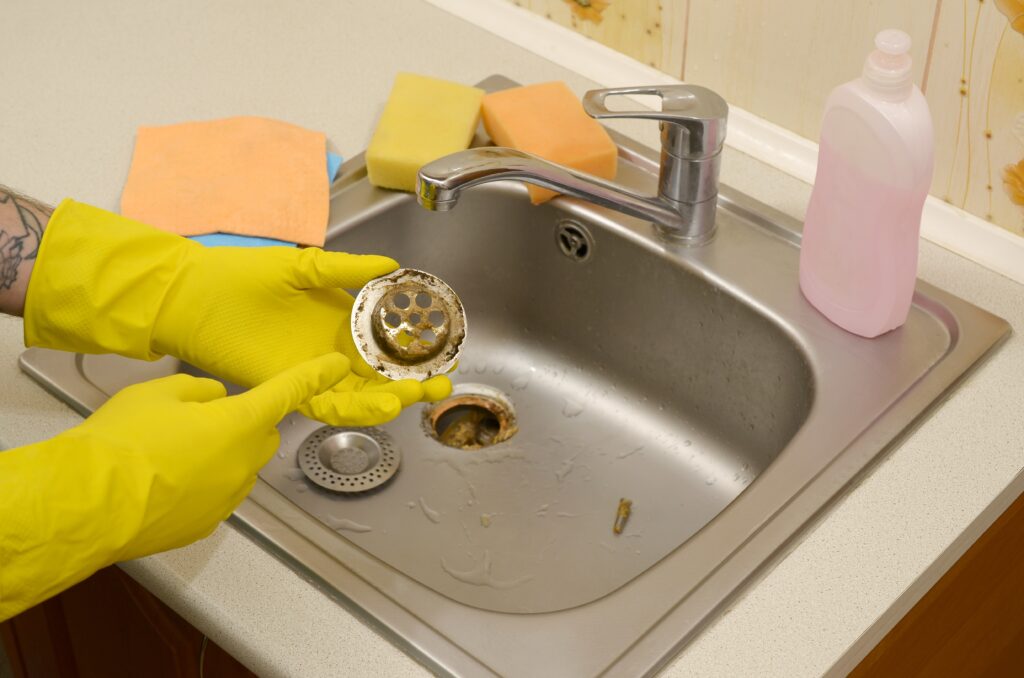
If the plumber can walk right up to an outdoor drain or unscrew a trap under your sink, great. That’s a straightforward job. Less time on setup means less time on the clock.
But if your drain is behind a wall, under a slab, or out in the yard with no clear access, the price changes fast. Even finding the right inspection point can take time. They might need to remove panels, move furniture, or dig just to reach the right spot.
Older homes in Brisbane often have awkward layouts or weird extensions that hide pipes behind strange access points. That means more guesswork, more hours, and possibly more damage just to get in.
In short, the harder it is to reach, the more you’ll pay. If you can prep the space before they arrive, like clearing under sinks or pointing out manholes, that can shave a bit off your total.
Factor #4 — When you make the call
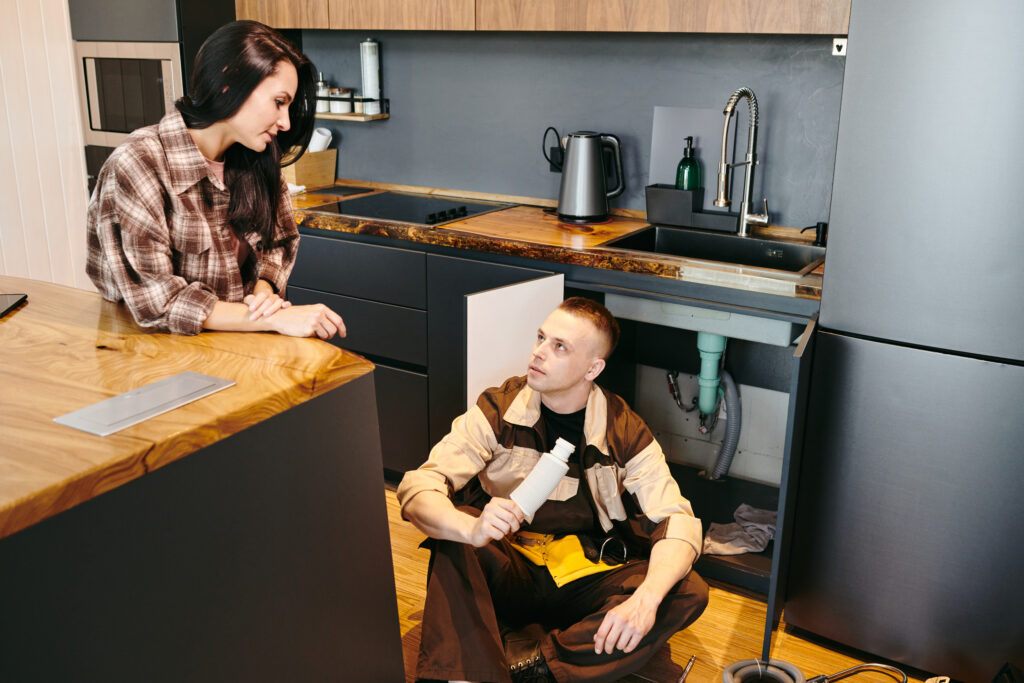
Time matters. If you call during regular business hours on a weekday, you’ll get standard pricing. But after-hours calls are a different story.
Evening, weekend, or public holiday visits cost more. Some plumbers add a flat emergency fee on top. Others double their rates once the clock hits a certain time.
If water is flooding or toilets are backing up, you probably won’t wait. But if the drain is just slow and not overflowing, try to hold off until morning.
Also worth noting, not all emergencies are priced the same. A real crisis like sewage backing up inside the house will cost more to handle than a blocked outdoor drain, even after hours. It’s urgent, messy, and higher risk.
When you make the call can change the bill by a few hundred dollars. If you’re flexible, say so on the phone. Some plumbers will slot you into a quieter time at a lower rate.
Factor #5 — What else they find when they’re there
Sometimes a blockage is simple. But often, it’s a symptom of something else.
Plumbers can’t always see the full picture until they start. If they clear the drain but water still backs up, they’ll need to keep digging — and that adds to your cost.
Common extra findings include cracked pipes, sagging sections (called “bellies”), grease buildup that needs jetting, or tree roots pushing through joins. Fixing those isn’t part of a standard clean.
At that point, it turns from a one-hour job into a repair quote. They might recommend a camera inspection to check the full line. They might suggest pipe relining or even excavation.
Some of this is unavoidable. But you don’t want to agree to every add-on blindly. Always ask for a before and after video if they do a camera check. Get a written quote if they suggest repairs. And get a second opinion for anything big.
Drain cleaning often uncovers bigger problems. That’s fine, just don’t let it turn into a surprise renovation without your say.
Understanding cost means fewer surprises next time
Drain cleaning doesn’t follow a flat script. Prices shift depending on where the clog is, how bad it is, what tools are needed, how easy it is to reach, and whether it’s a simple clean or something more.
Knowing what drives those costs helps you ask better questions. It also helps you spot when something doesn’t add up.
If the price seems high, ask what tools they’re using. Ask what they think caused the blockage. Ask if they can show you footage or explain their plan before they start.
You don’t need to be an expert. But you do need to be clear about what you’re paying for.
And if the same drain keeps acting up, don’t just keep cleaning it. That’s when you stop and look deeper. Because once you know the root cause, you can decide whether it’s worth fixing or just living with.
In the end, it’s not about finding the cheapest one. It’s about finding the right plumber who tells you the truth, shows you the problem, and gives you real options.
That’s how you keep your drains and your budget clear.