
Key takeaways
- Why do drains get blocked, you ask? Hair, grease, and soap scum are the most common causes of blocked drains.
- Simple habits like using drain covers and disposing of grease properly can prevent blockages.
- Persistent clogs may require professional help, especially if tree roots or damaged pipes are involved.
Blocked drains are a common problem in most homes. Whether it’s a slow sink, a gurgling toilet, or water pooling in the shower, clogged drains are annoying and can get messy.
They can also lead to bad smells and, if ignored, might end up costing you a lot to fix.
The good news? Most blockages can be avoided.
While many people think clogs are just from hair or food scraps, there are actually a few other things that might be causing trouble.
This blog will go over the five most common causes of blocked drains.
From simple mistakes at home to problems from outside your house, we’ll cover what’s really happening in your pipes.
Why do drains get blocked? 5 common causes
#1 – Hair causes bathroom drain clogs
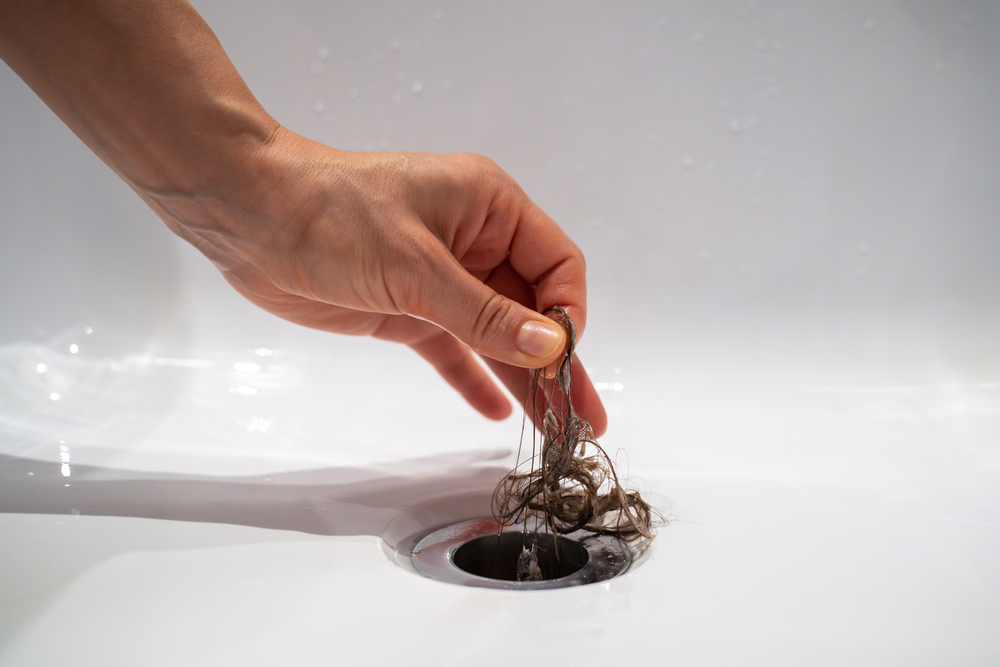
Whether it’s in the shower or the bathroom sink, hair binds together as it makes its way through your pipes.
The real problem starts when the hair mixes with soap, toothpaste, and other residue.
Over time, this forms a dense, tangled mass that water can’t easily push through.
These strands can form a blockage that grows worse with every wash.
How to prevent it
The easiest way to stop hair from clogging your drains is to use a drain cover or hair trap.
These are inexpensive and can be cleaned out regularly.
Simply empty the cover when you see it filling up.
Another good habit is brushing your hair before you shower to minimise the amount of hair that falls out while you bathe.
If your drain is already slow, try a solution of baking soda and vinegar, followed by hot water.
But if the clog persists, you may need to use a drain blockage snake to remove the hair physically.
In more severe cases, calling a local plumber is the best option to fully clear the drain.
#2 – Grease and cooking oils block your kitchen pipes
It might seem logical to pour hot grease down the sink, thinking it will flow right through.
But once the grease cools down, it hardens inside your pipes.
This creates a sticky layer that catches other debris like food scraps and soap scum.
Over time, this builds up into a serious clog.
Even if you wash grease down with hot water, it’s only a temporary fix.
As the water cools, the grease solidifies again, often deeper in the pipes where it’s harder to reach.
How to prevent it
Never pour grease, oil, or fat down your kitchen sink.
Instead, let it cool in a container, then dispose of it in the trash.
Wiping greasy pans with a paper towel before washing can also help keep grease out of your pipes.
If you suspect grease is already causing a blockage, try flushing your drain with hot water and dish soap. The soap can help break down some of the grease.
However, for larger buildups, you may need a professional to use another method to clear the pipe fully.
#3 — Soap scum and hard water deposits can slowly build up
The fats and oils in soap mix with minerals in the water, especially if you live in a hard water area.
This creates soap scum, a filmy residue that sticks to your pipes. Then, it slowly narrows the passage for water to flow.
The issue is even worse with bar soap, which contains more fats and oils than liquid soap.
When combined with hard water, which is rich in minerals like calcium and magnesium, this can form a solid buildup that eventually blocks the pipe.
How to prevent it
Switching to liquid soap can reduce the amount of soap scum in your pipes.
You can also install a water softener to reduce mineral buildup if you live in a hard water area.
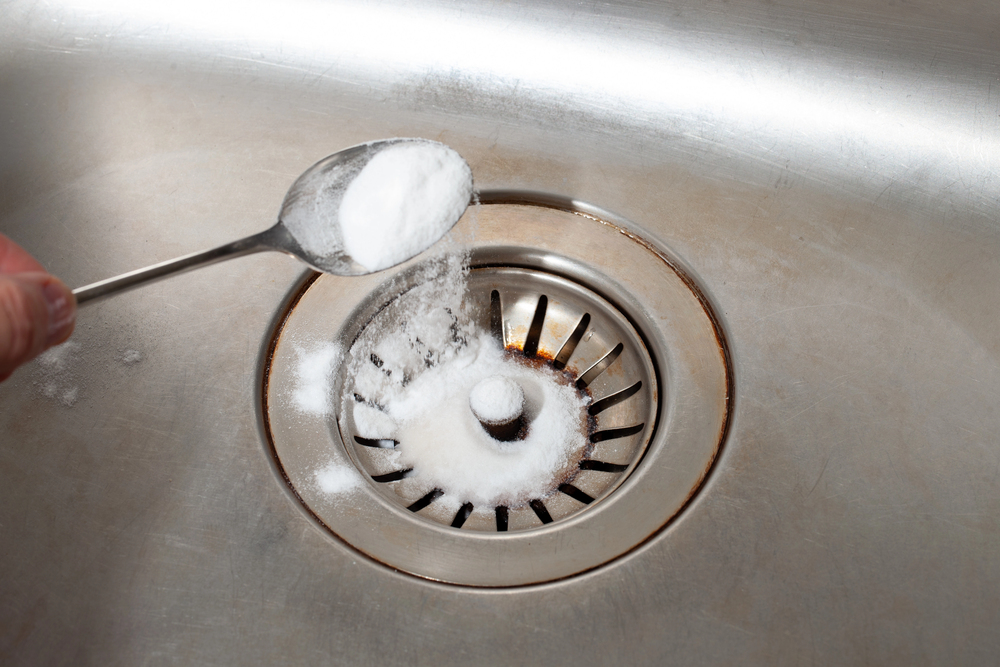
To keep drains clear, periodically flush them with hot water and a solution of baking soda and vinegar.
The baking soda will break down soap scum, while the vinegar helps dissolve mineral deposits.
For tougher blockages, you may need a blocked drain plumber to use specialised tools like a hydro jet to fully clear the pipes.
#4 — Food waste can clog your kitchen drain
While garbage disposals can handle small scraps, certain types of food waste should never go down the drain.
Fibrous foods like potato peels, celery, and pasta can tangle or expand in your pipes.
Coffee grounds and eggshells can clump together and form a solid mass that blocks water flow.
Grease-covered food waste, in particular, makes things worse. Grease hardens and traps food particles, turning a minor blockage into a full-blown clog.
How to prevent it
Even with a garbage disposal, avoid fibrous foods, eggshells, and coffee grounds.
Instead, compost what you can or dispose of food waste in the trash.
Using a sink strainer is another simple but effective way to keep food particles out of your pipes.
For regular maintenance, run hot water down the sewer drain after using the garbage disposal to help clear any lingering food particles.
If you notice slow drainage, it’s a sign that food waste might already be building up.
In this case, it’s best to call in a professional to avoid more serious blockages.
#5 — Tree roots can cause serious blockages over time
Tree roots naturally grow towards water sources. If your pipes have even the tiniest crack or leak, roots can infiltrate them.
Over time, these roots grow and can completely block the flow of water. This leads to slow drainage or a total blockage.
Older pipes made of clay or other porous materials are particularly vulnerable to root invasion.
But even newer pipes aren’t immune if they develop small cracks or weak joints.
How to prevent it
Unfortunately, tree root invasion isn’t something you can easily prevent.
However, regular professional inspections of your sewer lines can catch the problem early.
If tree roots have already invaded your pipes, a professional plumber can help you remove the roots and clear the pipe.
In some cases, the pipes may need to be repaired or replaced entirely, especially if they’ve suffered significant damage from the roots.
Get to know the culprits to avoid clogs
Blocked drains are almost always caused by common, preventable issues.
By being mindful of what goes down your drains and taking steps to maintain your plumbing system, you can avoid many clogs.
But when the usual fixes don’t work, or if the blockage is deep in your pipes, it’s time to call in a professional plumber.
Taking care of these common culprits before they become major problems can save you a lot of trouble — and money — down the road.