
Key takeaways
- Always check if the plumber is licensed and insured to avoid extra headaches if things go wrong.
- Make sure the plumber offers 24/7 availability, especially for late-night emergencies.
- Read reviews, ask for references, and get a detailed estimate upfront to avoid any surprises.
It’s late at night and you’re finally unwinding after a long day. Suddenly, there’s an odd sound coming from the kitchen.
Before you know it, water is flooding the floor.
In moments like these, it’s easy to feel overwhelmed. Unsure of what to do next with one question running through your mind – who to call for plumbing emergencies?
Plumbing emergencies can catch anyone off guard. And in the chaos, the last thing you want to worry about is finding the right plumber.
Who to call for plumbing emergency? How do you know if they’re reliable?
This guide will walk you through seven tips for choosing the best plumber when you’re in a pinch.
Why choosing the right plumber matters
Choosing the best local plumber during an emergency isn’t just about convenience. It’s about preventing further damage and unnecessary costs.
An unreliable plumber might provide a quick fix that doesn’t address the root of the problem. This could lead to more severe damage later on.
For example, this could mean water damage to your home, increased repair costs, and even potential health risks if the water supply is compromised.
Trust and reliability are important in these situations.
You need a plumber who not only knows what they’re doing but who also has your best interests at heart.
A trustworthy plumber will address the issue thoroughly, making sure that your home is safe and secure.
They will communicate clearly about what needs to be done and why, so there are no surprises.
There are straightforward ways to find a reliable plumber.
Knowing what to look for can save you from further headaches down the line.
Tip #1 – always check for proper licensing and insurance
When it comes to hiring a plumber, licensing and insurance are non-negotiable.
A licensed plumber has undergone the necessary training and meets the regulatory standards required to perform plumbing work safely and effectively.
Insurance is equally important. It protects you in case something goes wrong.
For one, it helps make sure that any damage to your property or injuries sustained during the job is covered, saving you from potential liabilities.
Before you hire a plumber, always ask for their licence number and confirm it through your local licensing authority’s website. This quick check verifies that they’re qualified to do the work.
Also, request proof of insurance. A reputable plumber will have no issue providing this information.
To verify a plumber’s licence, ask for their licence number and search for it on your local licensing authority’s website. This will confirm they’re legally permitted to perform plumbing work in your area.
For insurance, request a copy of their insurance certificate.
Make sure it’s current and covers both liability and worker’s compensation. Look for details like the policy’s expiration date and coverage limits.
Tip #2 – look for 24/7 availability
Plumbing problems rarely happen at convenient times.
A burst pipe or overflowing toilet in the middle of the night requires immediate attention, not a promise to come by the next day.
This is why finding a plumber who offers 24/7 availability is important.
A true emergency plumber understands the urgency of these situations and is prepared to respond quickly, regardless of the hour.
However, be cautious. Some plumbers may advertise 24/7 services but aren’t truly available around the clock.
When choosing a plumber, check if they have a proven record of providing immediate assistance at any time.
A reliable emergency plumber will answer calls promptly and provide a clear timeframe for their arrival.
Aside from their availability, inquire about any extra charges for late-night or weekend calls.
A transparent plumber will provide clear answers and won’t hesitate to discuss their emergency response times and any associated costs.
Tip #3 – read reviews and ask for references

Reviews and references can definitely help you choose the right plumber, especially in an emergency.
They offer firsthand insights into a plumber’s reliability, professionalism, and the quality of their work.
Online reviews on platforms like Google, Yelp, and local directories can give you a sense of a plumber’s reputation.
When evaluating reviews, look for recurring themes.
Consistent complaints about tardiness or poor communication are red flags.
Positive reviews that mention prompt service, clear explanations, and fair pricing are good indicators of a reliable plumber.
Use your intuition. If multiple reviews highlight similar issues, it’s worth considering those warnings. And if something doesn’t feel right, trust your gut and explore other options.
That said, don’t stop at online reviews.
Ask the plumber for references from past clients, particularly those who have experienced similar emergencies.
Speaking directly to someone who’s been in your shoes can help you gauge whether the plumber is the right one.
Tip #4 – get a detailed estimate before work begins
A detailed estimate is important before any plumbing work starts, especially in an emergency. This estimate should outline all potential costs, including labour, parts, and any additional fees.
An upfront estimate not only helps you budget for the repair. It also prevents unexpected expenses from cropping up later.
A reputable plumber in Brisbane will provide a transparent estimate and be willing to explain each charge.
If something isn’t clear, ask questions.
Understanding what you’re paying for means there will be no surprises when the final bill arrives.
When discussing the estimate, ask, “Does this estimate include all potential costs?” and “Are there any additional fees I should know about?”
Also, inquire about guarantees —“Do you offer any guarantees or warranties on your work?”
These questions help clarify what you’re paying for and protect your household if anything goes wrong.
Tip #5 – consider the plumber’s experience and expertise
An experienced plumber has likely encountered a wide range of issues and knows how to handle them efficiently.
When interviewing potential plumbers, ask about their experience with your specific problem.
For instance, if you’re dealing with a sewer line issue, find out if they’ve handled similar situations before.
Some plumbers specialise in certain areas, such as gas line repairs or water heater installations.
Knowing a plumber’s expertise makes sure they’re equipped to tackle your particular problem. It also reduces the risk of complications or incomplete repairs.
So how long they’ve been in business and what types of jobs they typically handle.
An experienced plumber will have a portfolio of past jobs and will be able to provide specific examples of how they’ve resolved similar issues effectively.
Tip #6 – evaluate customer service and communication
A plumber who takes the time to explain the problem offers solutions, and keeps you informed throughout the process is priceless.
Let’s be honest, good communication can ease the stress of an emergency. It gives you a guarantee of your comfort with the work being done.
If a plumber is hard to reach, dismissive of your concerns, or doesn’t provide clear answers, that’s a red flag.
Watch out for plumbers who are difficult to contact, give vague answers, or rush through explanations. These are signs of poor customer service.
Trust your instincts. If something feels off about the plumber’s communication or attitude, it’s probably best to keep looking.
Tip #7 – Check if they offer a warranty or guarantee
A warranty or guarantee is a hallmark of a reputable plumber. It shows they stand by their work and are committed to ensuring your satisfaction.
A good warranty typically covers both the labour and parts used in the repair.
Always ask for the warranty details in writing before work begins. This document should clearly outline what’s covered and for how long.
When discussing warranties, ask, “What does your warranty cover?” and “How long does the warranty last?” Also, confirm whether the warranty is included in the estimate.
Knowing these details beforehand makes sure you’re fully informed about what’s covered. Think of it as an added bonus that helps avoid any unpleasant surprises if issues pop up after the repair.
Always ready for any kind of plumbing emergency
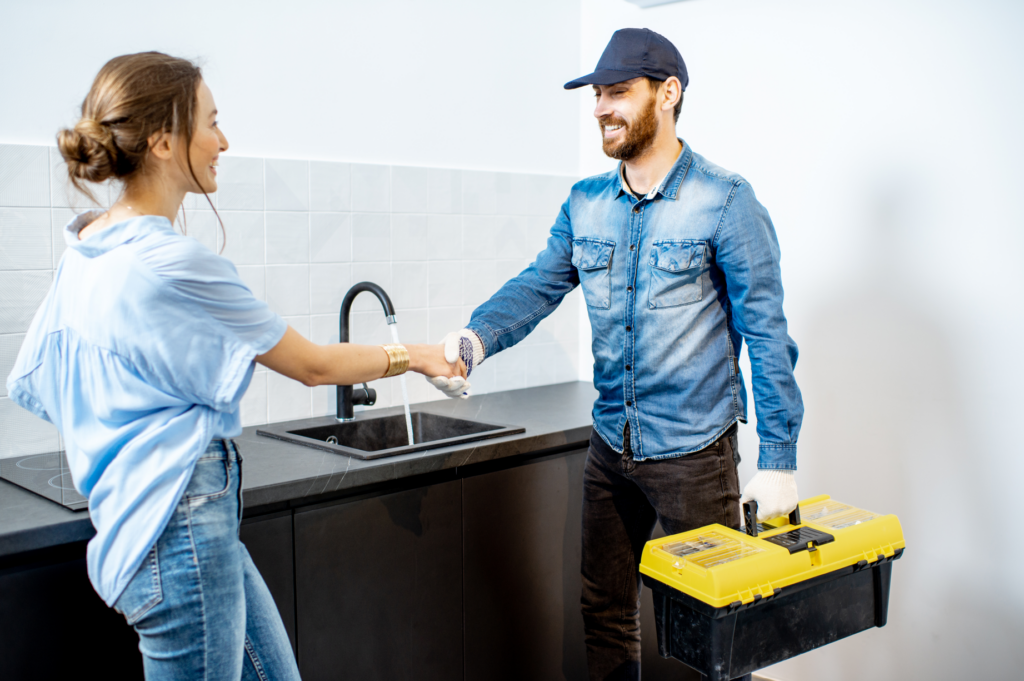
No one likes to think about plumbing emergencies, — but being prepared can make all the difference.
By knowing what to look for in a plumber and understanding the steps to take during a crisis, you’re already ahead of the game.
It’s all about having the right information at your fingertips. This way, you know who to call when your toilet is blocked or when a pipe bursts.
The best emergency plumber will handle your emergency efficiently and professionally.
So, keep this guide handy, and remember: a little preparation now can save you a lot of trouble later.
You’ve got this. Whatever the plumbing emergency, you’re ready to tackle it head-on.