
Key Takeaways
1. Sustainable plumbing solutions are smart upgrades like low-flow fixtures, leak detectors, and greywater systems that cut water use and lower bills without sacrificing comfort.
2. Swapping in things like dual-flush toilets, recirculation pumps, or tankless heaters can save hundreds of gallons a month and often pay for themselves within a year.
3. Many of these fixes are DIY-friendly and even come with rebates, so you’ll save money now, later, and every time you turn on the tap.
If you’re trying to waste less water and stop burning money on high utility bills, start with your plumbing. Those bills don’t always come from big, obvious problems.
More often, it’s the slow, everyday waste that adds up, an old toilet using too much water, taps that drip overnight, or a shower that takes minutes to warm up. You do not notice it week to week, but by the time the bill arrives, you’re paying for water you barely used.
Most people do not think about plumbing until something breaks. But fixing what is already costing you money is usually simpler than you expect.
These six upgrades aren’t complicated. Some are cheap. Others need a bit more work. But they all help you stop paying for water that never needed to be wasted.
Whether you’re fixing up an older place or building something new, these systems cut waste without making your life harder.
Low-flow toilets that do their job properly
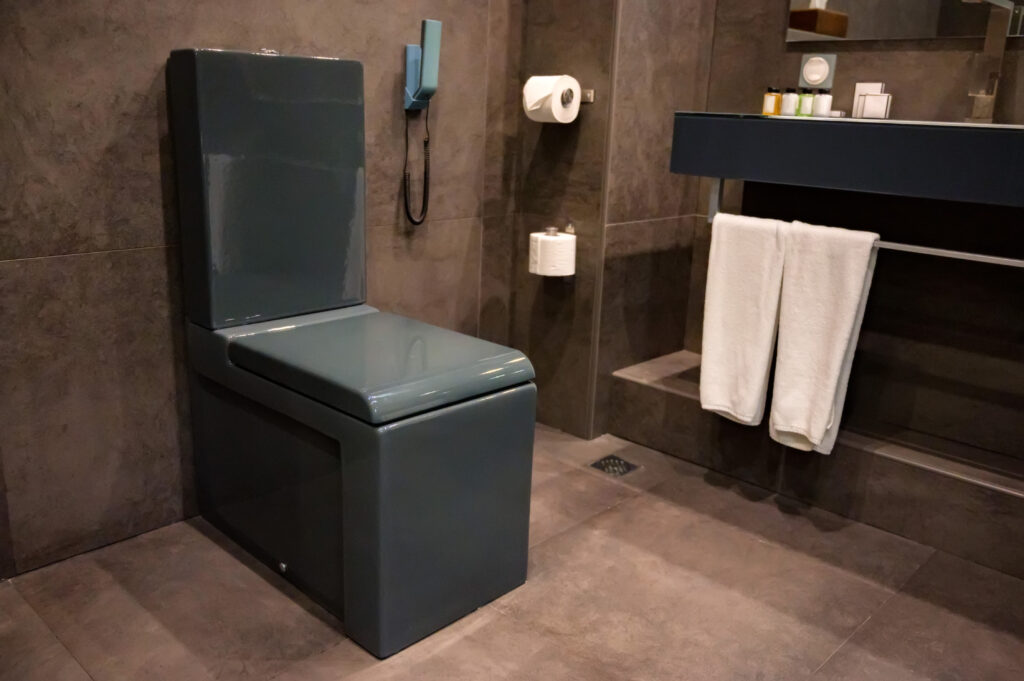
Old toilets not only need repair all too often but they also use too much water. Some flush with over 13 litres. Multiply that by the number of people in your house and how often you flush, and it adds up fast.
Modern low-flow toilets bring that down to around 4.5 litres per flush, sometimes even less. Dual-flush models give you a light flush for liquids and a heavier one for solids. No double flushing needed. No sacrifices.
Thankfully, installation’s simple if you’re confident with tools. Turn off the water, drain the tank, remove the old unit, and drop the new one in. If the floor fitting is cracked or uneven, get a plumber to handle it.
You’ll pay between $250 and $600 depending on the style. One toilet alone can save up to 50,000 litres a year. That’s around $100 saved annually, more if you replace more than one.
Aerated taps that lower use without ruining pressure
Without any leaks or other issues, most standard taps pour out over nine litres a minute. That’s fine for washing up, but way too much for quick tasks like brushing your teeth.
Aerators screw onto your existing tap and bring that flow down to about six litres per minute. You can fit one in under a minute with no tools.
Some newer taps also have this feature, mixing air with the water stream so the pressure still feels strong. You get the same performance, just with less water moving through.
Each upgraded tap can save nearly 2,000 litres a year. Change every tap in the house and it really adds up. You’ll also cut hot water use, which brings your energy bill down too.
Aerators cost under $15. Full tap replacements range from $180 to $350. Either way, the savings start immediately.
Tankless water heaters that only heat when you need it
A standard hot water system keeps a tank warm around the clock even when you’re asleep or out. That standby heating wastes a lot of energy.
Tankless models skip the tank and only heat water as it flows. That means no waiting and no energy wasted on standing water.
Gas units suit bigger households. Electric ones are better for smaller homes or apartments. They take up less space, last longer than tanks, and give you endless hot water on demand.
If more than one person’s showering at the same time, a single unit might not keep up. In that case, you can size up or install a second one for busy bathrooms.
Expect to spend between $2,000 and $3,500, including hot water system installation. It’s not cheap upfront, but you’ll save about 20 to 30 percent on water heating each year. Over time, it pays for itself.
Greywater systems that reuse water you already paid for
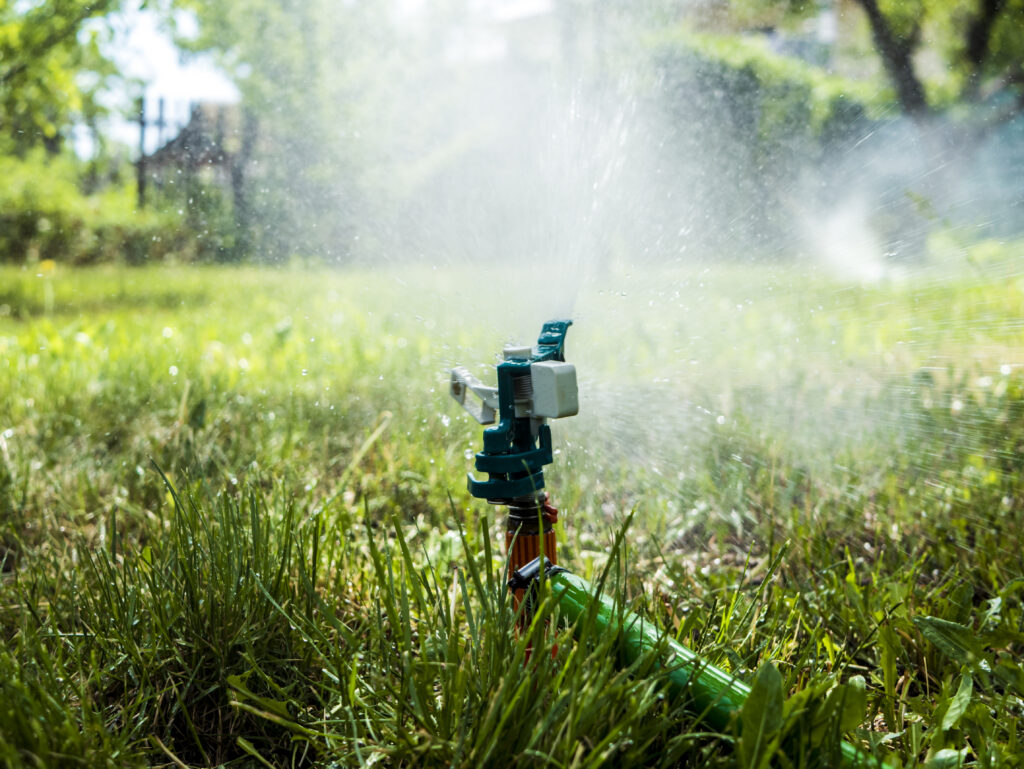
Greywater is the water from your showers, bathroom sinks, and washing machine. It’s not drinkable, but it’s clean enough to water the garden or flush toilets.
Basic greywater systems setups are simple. Some people just use a bucket in the shower. A step up is a diverter valve that redirects water straight to your lawn or garden beds.
DIY kits with filters and hoses make it easy. Just be sure to use low-tox or plant-safe cleaning products. And always check local council rules before starting, some areas have restrictions or need approval.
During warmer months, greywater can save thousands of litres each week. That means less strain on the water grid and lower water bills.
You can start with a $20 bucket or go up to $1,500 for a fully plumbed system. Either way, you’re using water twice instead of once, and saving money without changing much.
Recirculation pumps that stop the wait for hot water
Waiting for hot water wastes a lot. You stand there, tap running, watching cold water pour down the drain until it finally heats up.
Recirculation pumps fix that. They send unused cold water back to the heater so hot water arrives quicker at the tap. No more waiting. No more wasting.
They’re usually installed under the tap farthest from your hot water system. Some models use motion sensors, others work on a timer. Either way, they run in the background without you needing to think about it.
They’re simple to install if you’re handy. It takes about two hours and basic tools.
A pump can save up to 50,000 litres of water a year. You’ll also use less energy reheating water that cooled down in the pipes. Units cost between $250 and $450, and most homes see a return on that within a year.
Annual check-ups that catch waste early
You do not need to wait for something to break before calling a plumber. Booking a yearly check-up helps you catch small issues early. That means fewer surprises and less water loss over time.
Things like slow leaks, worn-out valves, or pressure that’s too high can go unnoticed for months. But they add up. A slow drip behind a wall can rot timber and waste thousands of litres before anyone sees it.
A licensed plumber can check for leaks, test your pressure, clean out sediment, and make sure your system is running efficiently. They can also flag anything that’s wearing out before it becomes urgent.
It costs around $120 to $200 depending on where you live. It is not exciting, but it works.
Start small and build from there
Cutting down water use doesn’t mean turning off the tap while you wash your hands or showering in under a minute. Most waste comes from old systems, not bad habits.
Start with one of these upgrades. Fit an aerator. Swap in a better toilet. Install a pump. None of these take long, and each one chips away at your water bill without making life harder.
Make a plan to tick off a few of these over time. You’ll use less water, avoid costly repairs, and spend less every quarter. Simple upgrades that work quietly in the background and once they’re in, you barely have to think about them again.