
Key Takeaways
1. Plumbing maintenance tips are small monthly or seasonal checks, like testing toilet tanks for leaks or draining your water heater, that help you dodge surprise repairs and big bills later.
2. Slow drains, rusty pipes, and forgotten shut-off valves are early warning signs most people miss until it’s too late and they’re all easy to catch with 5-minute habits.
3. If you don’t want a burst pipe in winter or a flooded cabinet under your sink, disconnect hoses in the fall and peek under sinks once a month, it’s that simple.
Plumbing problems rarely arrive with noise or drama. They start in silence. A small drip behind a cabinet. A bit of rust near a valve. A slow drain that still works, for now.
Most people don’t notice until it gets expensive.
That’s what makes regular checks worth it. You don’t need experience. You just need to know where to look and what habits to build. These simple routines can help prevent floods, mould, and surprise bills.
Here’s how to stay ahead of plumbing problems.
1. Check under sinks for leaks every month
The space under your sink is easy to ignore. But it’s where problems often begin. A small drip from a loose joint or worn washer can sit unnoticed, soaking into the cabinet floor. Over time, it leads to swelling, rot, and mould.
Thankfully, leak detection is fairly straightforward. Once a month, open the cabinet under each sink. Use your hand to feel around the pipe joints. Look for white or green crusty buildup, dark stains, or a musty smell. If something seems damp, it usually is.
To be sure, lay a dry paper towel under the U-bend overnight. If it’s wet in the morning, you’ve got a leak. Don’t wait for damage to spread. Tighten fittings gently if they’re loose. Replace washers if they’re worn. And if the source of moisture isn’t obvious, call someone who can track it down.
2. Don’t ignore slow drains even if they still work
Water should leave your sink or tub within seconds. If it hangs around, even a little, something’s building up inside the pipe.
Hair, soap, toothpaste, grease, and food scraps start to collect over time. They don’t move on their own. Eventually, they form a clog. At best, that’s a slow drain. At worst, it backs up and floods your floor.
To keep things clear, pour boiling water down your drains once a month. Then follow with baking soda and vinegar. Half a cup of baking soda, then one cup of vinegar. Let it sit for 15 minutes. Rinse again with hot water.
Skip harsh drain cleaners. They often corrode your pipes and push the clog deeper. If a drain stays slow after a couple of treatments, call a plumber. Fixing your blocked drain now is cheaper than waiting.
3. Clean faucet aerators every few months
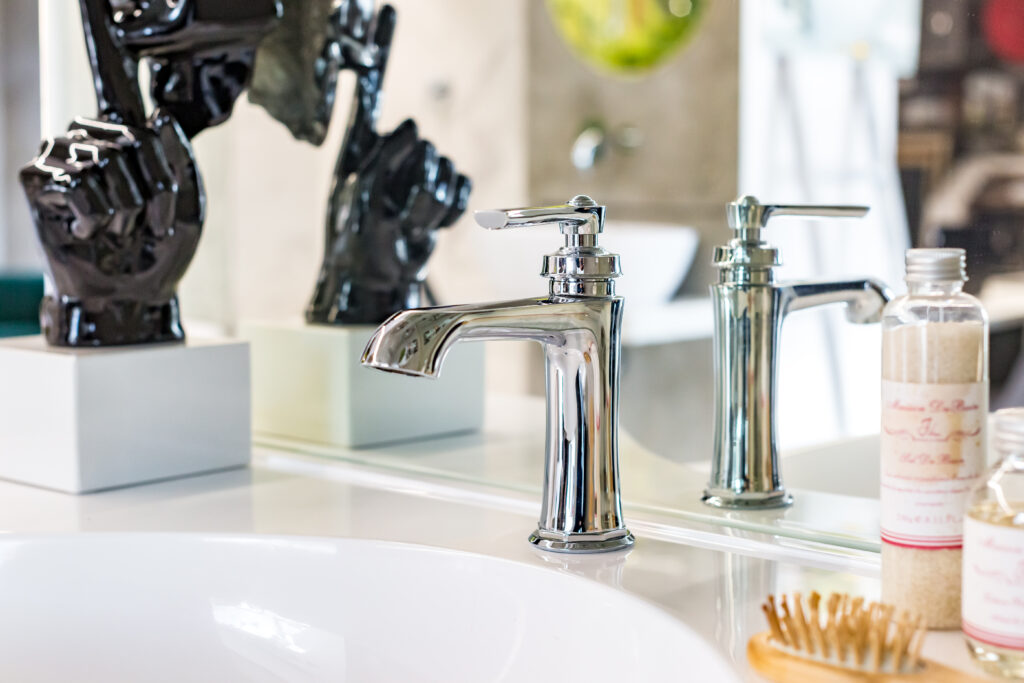
That small screen on the end of your faucet is called an aerator. It mixes air with the water and controls flow. But it also collects mineral deposits, especially in homes with hard water.
Low flow at one faucet is often just a clogged aerator. A clogged aerator equals leaky taps.
Use pliers with a cloth to unscrew it. Soak all parts in vinegar overnight. Scrub gently with a brush, rinse well, and screw it back on. You’ll likely notice the water flows stronger and more evenly.
Do the same with your showerheads. A plastic bag filled with vinegar tied around the showerhead works well. Let it sit overnight. This keeps buildup from choking your fixtures.
4. Flush your water heater once a year
Over time, sediment collects at the bottom of your water heater. It comes from minerals like calcium and magnesium found in most tap water. This buildup forces the heater to work harder and shortens its lifespan.
Flushing your hot water system once a year clears the tank.
First, turn off the power or gas. Hook a garden hose to the drain valve and run the hose outside or to a floor drain. Open the valve and let the water drain completely. Once empty, close the valve, refill the tank, and restore power.
If the water that drains out is rusty or full of sediment, your heater needs this more than you thought. This simple job can save energy and delay a costly replacement by several years.
5. Disconnect outdoor hoses before winter hits
When temperatures drop, water left in outdoor hoses can freeze. As it turns to ice, it expands. That pressure often pushes into the spigot and bursts the pipe behind your wall.
You won’t know anything is wrong until spring when the pipe thaws and water pours into the siding or basement.
Before the first frost, disconnect all garden hoses. Drain them and store them in a dry spot. If you have a shut-off valve for the outdoor spigot, turn it off inside the house. Then open the outside tap to let any water escape.
This quick step once a year protects against one of the most expensive plumbing problems.
6. Stop flushing things that don’t belong

Toilets are not trash cans. Many people flush wipes, cotton balls, floss, or sanitary products because they disappear. But they don’t break down in water. Instead, they clump together in the pipes.
“Flushable” wipes don’t disintegrate like toilet paper. They catch on small imperfections in pipes and create massive blockages.
In the kitchen, the same rule applies. Don’t rinse grease, coffee grounds, eggshells, or pasta into the sink. Grease hardens as it cools. Grounds form sludge. Pasta swells and clogs the pipe.
Use a strainer in your sink. Scrape dishes into the bin before washing.
Changing these habits now saves you from expensive drain cleaning later.
7. Test your toilet for silent leaks once a year
Not all leaks are visible. Some happen inside the toilet tank and waste water without a sound. A small leak can waste hundreds of litres a day.
To check, remove the tank lid. Add a few drops of food colouring to the water. Wait 15 minutes without flushing. If the bowl water changes colour, the tank is leaking into the bowl.
This is usually caused by a worn flapper. It’s a rubber seal at the bottom of the tank. It’s cheap to replace and easy to install. If a new flapper doesn’t fix the issue, check the fill valve. If that’s not it, call someone to take a look.
These quiet leaks are easy to miss but expensive over time.
8. Watch for rust near pipe joints and valves
Rust on your pipes means moisture has been sitting in the same place too long. That could be from condensation or a small, unnoticed leak.
You’ll often see rust near shut-off valves, behind toilets, under sinks, and around the water heater.
When you spot rust, take a picture. Check again next month. If the area grows, darkens, or flakes, it’s time to investigate further.
Rust weakens pipes and fittings. Left alone, it becomes a bigger leak. Early detection means you can fix it without cutting into walls or replacing entire sections of pipe.
9. Exercise your shut-off valves twice a year
Shut-off valves let you stop water to a single sink, toilet, or appliance. But they don’t stay usable on their own. Over time, they seize up from mineral buildup or corrosion.
Twice a year, turn each one off and then back on. This keeps them from locking in place. If a valve doesn’t move or feels stiff, use a small amount of lubricant and try again. If it still won’t budge, replace it before you need it during an emergency.
Being able to shut off water fast is the difference between a small puddle and a flooded room.
Know when to call the professionals
Some plumbing issues need more than a cleaning or quick fix. And waiting too long only makes repairs more expensive.
Call a plumber if you notice any of the following:
- Water stains on ceilings or walls
- Banging, clanking, or hissing noises from pipes
- A strong sewage smell near any drain
- A sudden drop in water pressure across the entire house
- Discoloured water, especially if it’s brown or rusty
- Hot water running out too quickly or not heating at all
- Leaks that return after tightening fittings or replacing washers
- Drains that stay slow even after multiple cleanings
Also call someone if you’ve done everything you know how to do and the problem is still there. Getting help early usually costs less than fixing the damage later.
Maintenance now means fewer repairs later
There’s a reason people say prevention is better than a cure.
Once water starts damaging your home, it doesn’t stop. It seeps into walls, swells wood, ruins insulation, and spreads mould. And it gets expensive quickly.
That’s why these small checks matter. Catching a slow drip, clearing a blocked drain, or replacing a worn flapper costs little. Waiting until things break always costs more.
You don’t need to be an expert. Just consistent. Pick one task this week. Do another next month. Pay attention to what your plumbing is telling you.
Maintenance isn’t about perfection. It’s about staying ahead of problems before they turn into repairs.