
Key takeaways
- Be mindful of what goes down your drains. Grease, hair, and non-flushable items are common causes of blockages.
- Regular maintenance like using natural cleaners and boiling water can prevent buildup.
- Professional inspections can catch hidden problems and keep your drains in top shape.
Blocked drains always seem to happen at the worst time.
One minute, everything is fine.
Next, you’ve got water pooling in the sink or a shower that’s backing up.
Drains in homes and businesses face daily abuse from hair, grease, soap scum, food scraps, and other debris.
Over time, everything builds up and clogs the pipes.
The good news is, preventing a blocked drain is much easier than you think.
With a few simple steps, you can keep things flowing smoothly and avoid the hassle altogether.
How to prevent blocked drains
Method #1 — Be careful with what goes down the drain
Preventing clogs starts with being mindful of what goes down the drain.
Many kitchen drains get blocked because people don’t think twice about rinsing food particles, oil, or grease down the sink.
The usual suspects? Coffee grounds, and food scraps.
Food particles, even small ones, build up over time. Coffee grounds are not completely water soluble.
To stop this from happening, use sink strainers. They’re affordable, easy to find, and they catch food, hair, and other debris before it slips into your drain.
You’ll be amazed at how much gunk they trap.
Once you start paying attention to what goes down your drain, you’re already a step ahead in preventing future problems.
Method #2 — Regularly clean your drains with natural cleaners
Using natural cleaners is one of the easiest and most eco-friendly ways to prevent blocked drains.
Baking soda and vinegar are a powerhouse combo for keeping your pipes clear.
Here’s how to do it: pour half a cup of baking soda down the drain. Follow it with a cup of vinegar. Let the mixture fizz for about 15 minutes. Then, flush the drain with hot water.
This will help break down any gunk starting to form in your pipes.
Do this once a week to keep things flowing smoothly. It’s an easy habit to get into and only takes a few minutes.
Plus, it’s inexpensive and chemical-free. You won’t need to worry about damaging your pipes or harming the environment.
Using natural cleaners like this can save you from dealing with a fully blocked drain—and from needing an expensive fix down the line.
Method #3 — Never pour grease or oil down the drain
Grease is one of the biggest offenders when it comes to blocked drains.
When grease or oil goes down the drain, it’s liquid. But as soon as it cools, it solidifies.
The result? Grease sticks to the sides of your pipes, narrowing the space for water to flow.
Over time, this buildup leads to full blockages.
To avoid this, collect grease in a container, let it solidify, and toss it in the trash. You can use a jar or tin that you don’t mind throwing away.
It may seem easier to rinse it down the sink, but doing so will almost always cause problems later.
Method #4 — Use a hair catcher in the bathroom
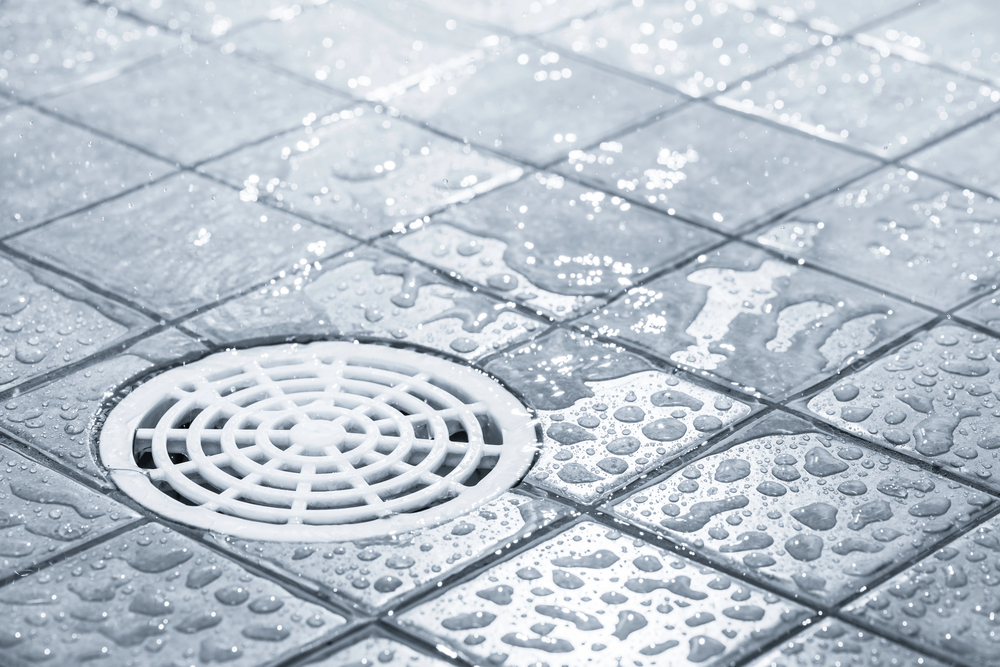
In the bathroom, hair is the number one reason drains get clogged.
Whether it’s from showering or shaving, hair collects in the pipes and mixes with soap scum to form nasty blockages.
Installing a hair catcher is a simple way to avoid bits of hair from clogging your shower drain.
It’s a handy tool that sits over your shower or tub drain, catching hair before it gets into your pipes.
You can find them at any hardware store ‚ and they don’t cost much.
Dealing with hair buildup early means you won’t have to worry about how to fix a blocked drain later.
Method #5 — Flush drains with boiling water weekly
Flushing your drains with boiling water is a quick and effective way to prevent blockages.
Boiling water can help dissolve any small amounts of grease or soap that might be clinging to the sides of your pipes.
This is especially useful in the kitchen, where oils and fats can sneak into your drain, even if you’re careful.
Pouring boiling water down the drain once a week keeps things moving and helps prevent buildup before it becomes an issue.
Just be sure not to do this if you have PVC pipes, as the high heat could damage them.
Method #6 — Avoid flushing non-flushable items
Toilets aren’t trash cans, but people often treat them that way. Items like wipes, paper towels, and feminine hygiene products should never be flushed.
These items don’t break down like toilet paper does. Instead, they get stuck in the pipes, causing blockages.
Flushing these non-flushables is a sure way to end up with a clogged toilet or sewer line.
To avoid this, always dispose of them in the trash.
Remember: even if something says “flushable” on the package, that doesn’t mean it’s good for your plumbing. Stick to toilet paper only.
Method #7 — Use enzymatic drain cleaners
Enzymatic drain cleaners are a great, chemical-free way to maintain your pipes.
They work by using natural enzymes to break down organic matter like grease, food waste, and hair. Over time, these enzymes digest the gunk, preventing blockages from forming.
Enzymatic cleaners are safe for your pipes and the environment. Unlike harsh chemical cleaners, they won’t corrode your plumbing.
They also don’t harm the helpful bacteria that break down waste in your septic system.
For best results, use enzymatic cleaners once a month.
Regular use will help keep your drains clear and reduce the risk of needing professional help to fix a blocked drain.
Method #8 — Know your landscaping and drainage system
Blocked drains aren’t just an indoor issue. Roots from trees and shrubs can invade and clog outdoor drains and pipes.
Over time, these roots grow into tiny cracks in your pipes, causing major blockages.
Be mindful of where you plant trees and large bushes. Keep them away from your drainage system to avoid future issues.
If you’re not sure where your pipes run, it might be worth checking before planting anything.
If you suspect that roots have already caused a problem, don’t wait until it gets worse.
Consult a professional plumber to inspect your pipes and clear out any blockages before they cause expensive damage.
Method #9 — Be mindful of soap scum buildup
Soap scum is another common cause of blocked drains, especially in bathrooms.
When soap mixes with minerals in the water, it forms a film that sticks to your pipes. This soap scum combines with hair and other debris, creating tough clogs over time.
Switching to liquid soap can help reduce soap scum. It’s also a good idea to clean your drains regularly to prevent buildup.
For a simple solution, use vinegar to break down soap scum. Pour a cup of vinegar down the drain, let it sit for 30 minutes, then flush with hot water.
Keeping soap scum under control will help prevent clogged bathroom drains and keep things flowing smoothly.
Method #10 — Schedule regular professional drain inspections
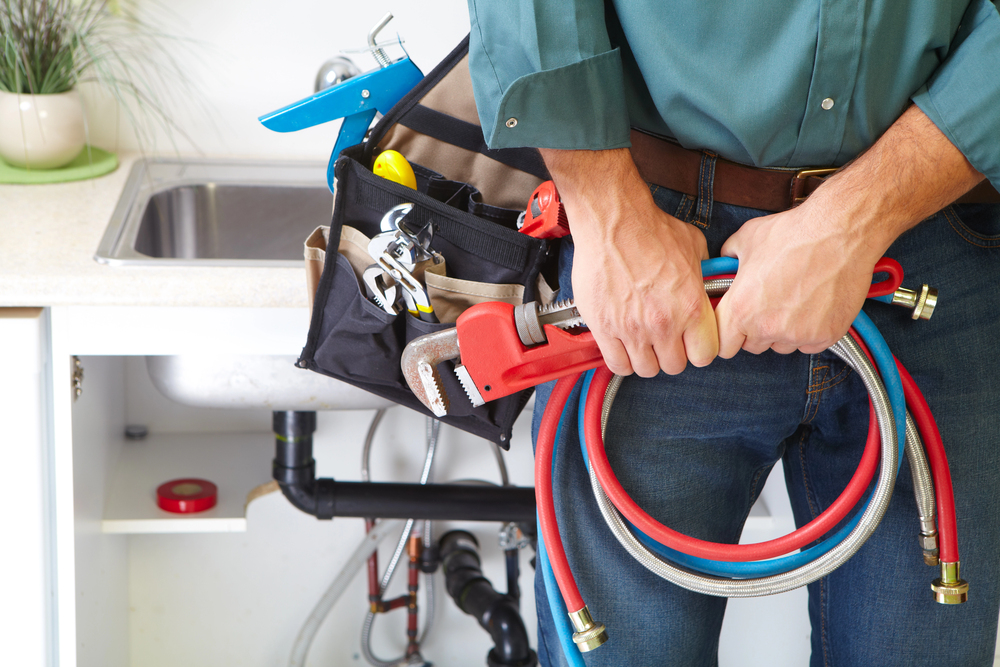
Even if everything seems fine, regular drain inspections are a smart move.
Professional plumbers can use cameras to check the inside of your pipes. This allows them to spot potential issues before they become major problems.
Inspections are especially important in older homes, where pipes might be more susceptible to blockages or wear.
Catching small problems early can save you from dealing with an emergency later.
A yearly inspection is usually enough to keep things in good shape. And it’s a lot cheaper than a major repair.
Save yourself time, money, and headaches with a few simple changes
Preventing blocked drains doesn’t have to be complicated. With these simple habits, you can avoid the frustration and cost of unexpected clogs.
These easy steps will keep your drains flowing smoothly and help you steer clear of expensive repairs.
That said, while DIY methods work well for regular maintenance, there are times when it’s best to call in a professional plumber for drain cleaning.
Plumbers can spot issues that might go unnoticed and provide preventative services that make a big difference in the long run.
Which method will you start with today to keep your drains clear?
Whether it’s a quick fix or scheduling a regular inspection, taking action now will save you time, money, and hassle later.