
Is your water bill out of control lately?
Maybe you have a leak hiding somewhere in your pipes.
Leaks are a pain for homeowners – they waste water, cost you money, and can be a real headache to track down especially if you can’t find where it’s coming from.
Water leaks on your walls and floors are pretty easy because you’ll see puddles or drips.
But underground leaks?
Challenging is an understatement.
But don’t worry.
Learning how to find an underground water leak is easier than you think.
How to detect a water leak underground in 3 easy steps
Finding a water leak underground can feel like searching for a buried treasure (literally).
But with a little patience, time, and these three simple steps (and a little bit of luck), you can find it in no time.
Step 1: be a leak detective – look for signs
Time to put on your detective hat.
The case? Find that hidden underground water leak – and our first step is to spot the clues
Your first clue – unusual water bill spikes
Bring out your old water bills and compare them to your latest ones. Make sure you’re comparing bills that don’t cover holidays, just regular usage. See a big jump? That’s a clue.
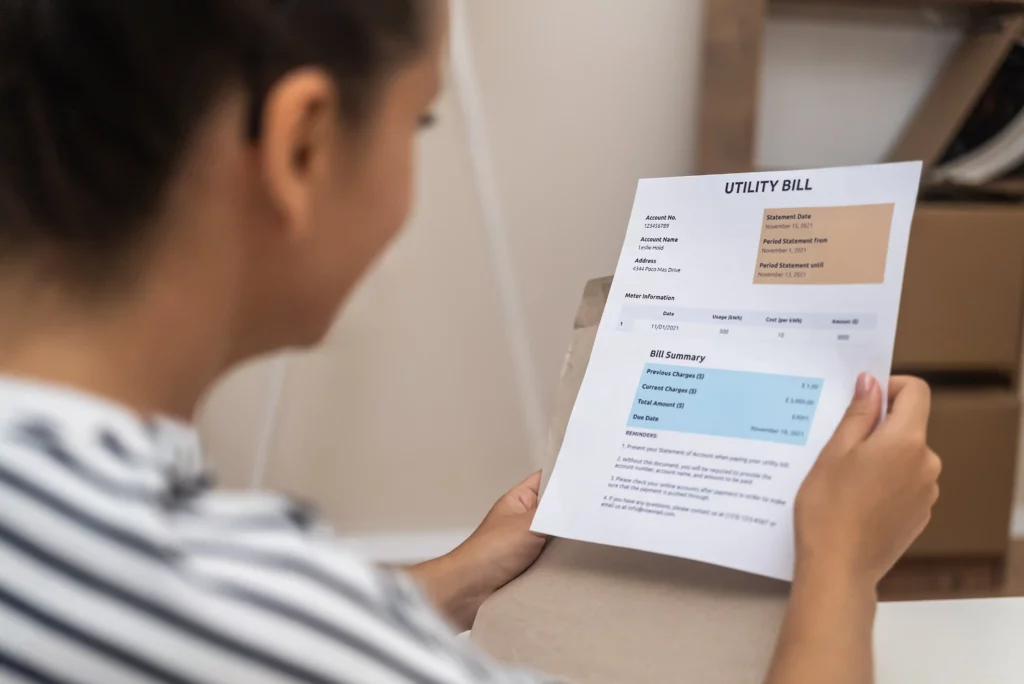
You can also look at your average water usage rate. Is it way higher than usual (like you’re filling a pool you don’t own)? That could be another sign.
Next clue – running water sound in the middle of the night
When everyone is asleep, be on high alert. Press your ears to the ground or your walls.
Do you hear a hissing or running water sound in your drains?
That might not be your imagination. It’s 100% real.
Visual clues – mysterious spots and craters
Enough with staying up late and looking at shocking water bills. Now, it’s time to walk around your house for some easier clues. (This is the easy step.)
Do you see some wet stops on your lawn when it hasn’t rained for days? That’s a leak.
Spot mini craters or weird holes in your garden? Unless you’ve been digging and looking for treasures, those might be caused by a leak.
Do you have patches of grass that are greener than the rest, even though you don’t water them more? If your neighbors aren’t secretly watering your lawn for you, that’s the leak’s doing.
Step 2: confirm your hunch – do some simple tests
You’ve gathered some solid clues.
But before you DIY or call a professional, you must confirm your suspicions.
Don’t worry, it’s easier than you think (and no fancy or power tools are needed).
There’s a simple way to prove your hunch – meter test.
- Find your water meter. It’s usually at the front, buried on the ground, or attached to the side of your house.
- Turn off all the water inside and outside your house. Your taps, showers, hot water systems and don’t forget your sprinkler system, washing machine, and dishwasher.
- Head back to your meter and check it out. Is the dial moving? Is the digital readout showing activity? That’s a giveaway. You probably have a water leak.
- Wait and double-check. Wait for a few hours (enough time to grab some groceries then check again. If everything is turned off, there shouldn’t be any movement. Any changes mean you’ve got a leak.
Step 3: let’s take action – what to do next
Now that you’ve confirmed your hunch, it’s time to take action.
The big question is – do you DIY or call a professional?
DIY or call for professional help?
You’ve made it this far – and DIY repair must be very tempting.
It’ll definitely feel good to solve the whole problem and save a few bucks on the side.

But before you roll up your sleeves and grab your toolbox, you need to check if you have minor or major leaks.
- Minor leaks are the easy ones. Think of dripping faucets and leaking toilets. You can probably fix these yourself with a little help from YouTube, enough time, and some patience.
- Tighten the connections or replace your washers on leaky faucets.
- Check then replace worn-out toilet flappers.
- Place pipe tape on small pipe leaks (not the kind you wrap presents with).
- Major leaks are those that need muscle, experience, and maybe even some power tools. These are a few examples of major leaks:
- Unexplained water in your yard
- Drop in water pressure
- Signs of water damage to your home’s foundation
- Multiple leak points
- Leaks inside the walls
- Complex water pipe systems
Basically, small leaks are DIY-friendly, while big leaks are best left to the professionals.
It’s safer for you and your home (and your wallet) to let professionals repair major leaks.
Why bother detecting a water leak underground?
Quiet, hidden, costly, and destructive – that’s what a water leak underground is. You won’t be able to ignore it (once you see your water bills and the damage to your home).
Here are three reasons why finding that sneaky leak underground is worth the effort:
- Water bills on steroids – Have you ever felt like your water bill has been hitting the gym harder than you? We feel you. Water leaks can waste up to hundreds of gallons per day. That’s what a hidden leak can do, and guess who foots the bill? You.
- Foundation repairs are no joke – Imagine your home sitting on a sponge. Not comforting, right? You see, water leaks soften the ground. This makes your home’s foundations unstable. Scary? Wait till you see how much repair costs.
- Think green, save water – Finding the leak early is good for your wallet and Mother Nature by preventing all that wasted water.
Prevent water leaks now, your wallet will thank you later
Now, you’re done detecting and fixing underground water leaks.
But let’s face it.
This might happen again (especially if your pipes are old).

Here are some tips to keep your home leak-free:
- Schedule regular inspections twice a year. They will save you a lot of stress, headaches, and money.
- Install water usage monitoring devices. These modern tools will help you catch the leaks before they cause you problems.
- Plan your landscape properly. Plants and trees are refreshing to look at. But once they grow, the roots can damage your underground pipes. Keep trees, plants, and shrubs away from your water pipes.
Remember, preventing underground water leaks is less painful to your home and wallet in the long run.
Taking these steps now to prevent leaks will save you a lot of hassle and money down the road.
Don’t let leaks sneak up on you
Learning how to detect a water leak underground early is a win for your wallet, home, and yourself.
With a little detective work, you can detect, confirm, and act against water leaks before they cause trouble.
By taking charge, you’ll avoid unwanted stress, hassle, and future repair costs.