
Key Takeaways
- Hot water systems work hard every day and need regular maintenance to last.
- Simple checks like testing the pressure valve or flushing the tank can prevent bigger problems.
- A professional inspection every few years can catch hidden issues and save money long term.
Most people do not think about their hot water system until something goes wrong. A cold shower usually gets attention pretty fast. But by the time a system breaks down, repairs can be expensive. Sometimes the whole unit needs replacing.
Hot water systems are built to last around 8 to 12 years. Some last longer. Some do not make it that far. A lot of it comes down to how well the system is looked after.
Knowing how a hot water system works makes it easier to spot early signs of trouble. It helps people understand what is normal and what is not. And it gives them a chance to prevent small problems from turning into big ones.
This guide breaks down how hot water systems work in simple terms. It also covers five easy maintenance tips that help keep a system running longer. Most of these tips take only a few minutes to check but can save a lot of money and hassle over time.
How hot water systems work
Hot water systems are one of those things people rely on every day without thinking about what is happening behind the scenes. But every time a tap is turned or a shower is switched on, a lot is happening to make sure hot water comes out quickly and safely.
Most homes in Australia use one of three types of systems, electric, gas, or heat pump. Each one heats water in its own way, but the goal is always the same. Keep enough hot water ready to go whenever it is needed.
Electric systems use a heating element inside a storage tank. It works a bit like a giant kettle. The element heats the water slowly over time and keeps it stored at a steady temperature.
Gas systems heat water with a burner at the base of the tank. The flame heats the water directly, and these systems tend to recover faster than electric ones. Some homes have gas continuous flow systems, which heat water only when a tap is turned on. There is no storage tank at all, so the hot water never runs out, at least not until the gas supply does.
Heat pump systems pull warmth from the air outside and use it to heat the water inside the tank. These systems work like a reverse fridge and are known for being energy-efficient, especially in warmer climates.
Most storage systems, no matter the type, have a thermostat inside. The thermostat keeps the water at the right temperature, usually around 60°C, to stop bacteria from growing but not so hot that it damages the tank or the pipes.
They also have a pressure relief valve. This little valve is there to stop pressure from building up too much inside the tank. When water heats up, it expands. Without a release, that pressure can cause damage or even lead to serious safety risks.
Over time, every system deals with wear and tear. Heating and cooling water puts stress on the parts inside. Minerals in the water can build up at the bottom of the tank, making it harder to heat efficiently. Moving parts like valves and anode rods slowly wear down. Even the outside of the tank can start to rust or leak if it is not checked regularly.
Eventually, every hot water system reaches the end of its life. But looking after it properly can stretch those years out a little longer and help people avoid the sudden shock of a cold shower when they least expect it.
5 maintenance tips every homeowner should know

It isn’t surprising that hot water system maintenance isn’t at the top of anyone’s minds. After installing the system, it’s out of sight, out of mind. Nevertheless, there are few things less pleasant than being rudely awakened by a cold stream of water when you are expecting a warm hot bath.
These are five simple maintenance tips that can help avoid costly repairs and make sure hot water is always ready when needed.
1. Test the pressure relief valve twice a year
The pressure relief valve is a small but important part of any hot water system. It prevents the tank from building up too much pressure, which can lead to damage or even safety risks.
Most of the time, this valve sits on the side or the top of the tank. Testing it is simple. Lift the lever gently until water starts to flow from the pipe attached to it. Let the lever snap back into place. The water should stop flowing right away.
If there is no water when lifting the lever, or if the water keeps running after it drops back down, the valve may need to be replaced. A plumber can take care of this quickly.
Checking this valve only takes a minute, but it helps protect the entire system from strain and wear.
2. Flush the tank once a year to remove sediment
Every hot water system with a storage tank collects sediment over time. This sediment comes from minerals in the water, mainly calcium and magnesium, which are more common in hard water. Hard water just means the water has a high mineral content. These minerals settle at the bottom of the tank, slowly building up and making the system less efficient.
Flushing the tank helps clear this build-up. It can extend the life of the system and keep the water heating properly. The process involves turning off the system, draining the water, and running fresh water through to flush out the sediment.
While some people choose to do this themselves, it does carry risks. Water from the tank can be extremely hot. There is also pressure to manage. Most plumbers offer this as a quick maintenance service, and it gives them a chance to check the rest of the system at the same time.
3. Look for leaks or signs of rust
Leaks and rust are never good signs around a hot water system. What starts as a tiny drip or a faint rust mark often turns into something bigger if left alone.
Common places to spot leaks are around the base of the tank, near the pressure relief valve, or where pipes connect to the system. Rust might show up as discolouration on the outside of the tank or on nearby surfaces.
Even a small leak means something inside the system is not working properly. Over time, leaks can cause water damage, raise power bills, or lead to a full system failure.
If there is any sign of moisture or rust, it is best to call a plumber sooner rather than later.
4. Check the temperature setting
The temperature on most hot water systems should be set to around 60 degrees Celsius. This temperature is hot enough to prevent bacteria from growing in the tank but not so high that it puts extra stress on the system.
A lower temperature might seem like a good way to save energy, but it can allow bacteria like Legionella to grow, especially in systems with stored water. A higher temperature might heat water faster, but it can lead to scalding and faster wear on the system’s parts.
Some systems have an external dial for temperature settings, but many need to be adjusted by a professional. If the water seems much hotter or cooler than usual, it might be time for a plumber to check the thermostat or heating element.
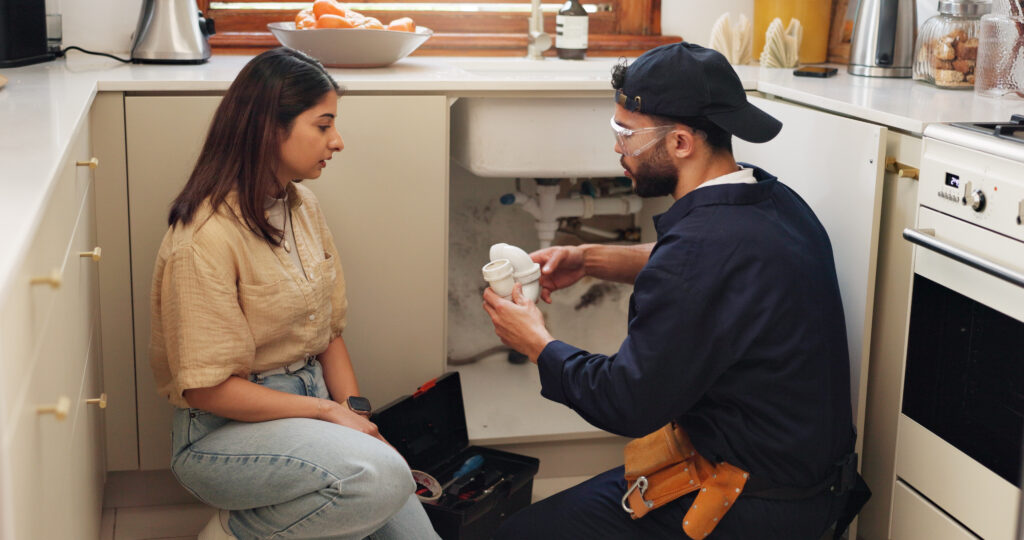
5. Book a professional inspection every few years
Even with regular checks at home, there are parts of a hot water system that need a professional eye. Most plumbers recommend a full inspection every two to three years, depending on the system’s age and condition.
One of the most important checks is the anode rod inside the tank. This metal rod helps prevent rust from forming inside the tank. Over time, the rod wears away and needs replacing. If left too long, the tank itself can start to corrode, leading to leaks or failure.
A professional inspection also covers the system’s wiring, valves, connections, and overall performance. It is a chance to catch small issues early and plan ahead for repairs or replacement before the system stops working altogether.
A small check-up now often costs a lot less than an emergency call-out later.
Why hot water system maintenance is always worth it
Hot water systems are not built to last forever. But the way they are looked after can make a big difference. A few small checks each year help catch problems early, keep the system running efficiently, and stretch out its lifespan.
Most of these maintenance steps do not take much time. Testing a valve. Checking for leaks. Flushing the tank. Keeping an eye on the temperature. And every few years, getting a plumber to look things over properly.
These are small habits that save money in the long run. They help avoid the stress of a cold shower or the cost of an emergency replacement.
Hot water systems don’t fail without warning. They just get pushed down the list. Small signs, like odd noises or slower heating, are easy to ignore until they’re not. Paying attention now means fewer surprises later. It’s not about doing everything, just doing something before it’s too late.