
Key takeaways
- Knowing how to detect a water leak early can save you from costly repairs and high water bills.
- Simple checks like monitoring your water meter, listening for drips, and looking for wet spots can help you find hidden leaks.
- If you find a leak, turn off the main water valve and call a plumber to avoid bigger damage.
Ever opened your water bill and wondered why it’s suddenly doubled?
Or walked across your living room only to find an odd wet spot with no explanation?
How about hearing the faint sound of running water when no one’s using the taps?
These are all signs of a water leak.
And it’s not something you can afford to ignore.
Leaks might start small — just a trickle here, a drip there.
But what starts as a minor annoyance can quickly snowball into a major problem.
We’re talking structural damage and ruined floors.
In worst cases, mould creeps into walls and you end up with a repair bill big enough to ruin your weekend.
That’s why knowing how to detect a water leak before it becomes a disaster.
Here are some simple, practical ways to detect leaks before they turn into costly disasters.
How to detect a water leak before it turns into a bigger problem
#1 — Check your water metre
The water metre is a quick and reliable way to check for leaks, especially ones you can’t see.
First, turn off every water source in your home. This includes faucets, showers, appliances like dishwashers, washing machines, and even outdoor taps.
Once everything is off, head to your water metre. If it’s still moving, water is leaking somewhere.
But even if the dial isn’t spinning immediately, wait about 30 minutes and check again. Slow leaks take time to show up.
A slight movement of the dial after the wait indicates a slow leak, which can still cause serious damage if left unchecked.
For more accuracy, do a water metre test overnight.
Take a reading before bed and again in the morning, making sure no water is used during the night.
Any change in the reading means you may have a leak.
Many modern metres have a leak indicator. It’s a small triangular or diamond-shaped dial that moves when even the smallest amount of water is flowing.
Learning how to read these dials can save you a lot of time and money when tracking down leaks.
#2 — Look for wet spots and discolouration
Wet spots, stains, or damp areas on ceilings, walls, and floors are strong indicators of water problems.
Leaks behind walls or in ceilings, near hot water systems, often show up as brown, yellow, or greenish stains.
If you feel soft spots on the floor or walls, especially near plumbing lines, there’s a good chance water is seeping through.
Look for changes in materials like warping wood, tiles that seem loose, or new cracks in walls.
Water can weaken structures over time, causing wood to expand or rot, and tiles to shift.
If you notice peeling or bubbling paint or wallpaper, that’s another sign water is making its way through your walls.
Also, check around baseboards and mouldings.
If they’re separating from the wall or floor, this could indicate swelling caused by moisture.
#3 — Listen for strange sounds in the walls
Not all leaks are visible, but sometimes you can hear them.
When the house is quiet, take a few minutes to walk around and listen.
If you hear dripping or the sound of water running when everything’s off, there’s a good chance you’ve got a concealed leak.
Pay special attention to bathrooms, kitchens, and laundry areas where plumbing is concentrated.
A dripping sound that seems faint could be a leak inside the walls or ceiling.
Even if you can’t see the water, the sound alone is a sign that something is wrong.
Also, don’t ignore running water sounds that seem to come from nowhere.
If you hear water flowing or trickling behind a wall or under the floor, it could be a sign of a hidden pipe leak.
#4 — Watch your water bill for unusual spikes
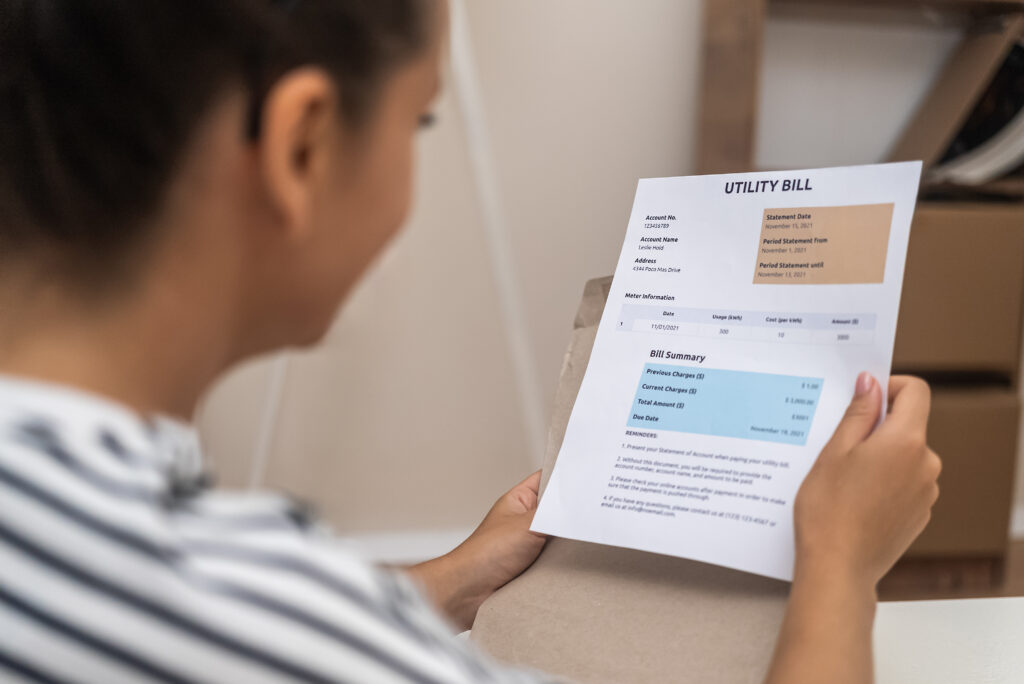
Monitoring your water bill is one of the easiest ways to spot leaks that you can’t see or hear.
Review your bills regularly to identify any unexplained increases in water usage.
Even a small increase over time could indicate a slow leak.
If your bill suddenly spikes without an increase in usage, something’s leaking.
Break down the numbers. Most water bills show your daily or monthly water consumption in gallons.
A sharp rise in these figures without any major changes in your household’s water habits means water is leaking somewhere, likely unnoticed.
If you want to dig deeper, compare your water usage to the average for homes in your area.
If your usage is significantly higher than similar households, it’s a red flag for leaks.
#5 — Test your toilets for silent leaks
Toilets are sneaky when it comes to leaks.
They are one of the most common sources of hidden leaks, and they can waste a lot of water — up to hundreds of gallons a day — without making a sound.
Add a few drops of food colouring to the water in the toilet tank and wait 10 minutes without flushing.
After 10 minutes, check the toilet bowl. If the colour has seeped into the bowl, your toilet is leaking.
A constantly running toilet, or one that refills itself randomly, is another clear sign of a leak.
While these issues might seem small, they can add up to hundreds of gallons of wasted water over time.
Replacing the flapper valve or adjusting the float arm can fix the problem quickly and cheaply.
Check toilets regularly, especially in bathrooms that aren’t used often. These leaks tend to go unnoticed until they’ve wasted a significant amount of water.
#6 — Check under sinks and around appliances
Leaks under sinks or around appliances can cause significant damage if they go unnoticed.
To locate the source for possible leaks in the sink, run your hands along the pipes and joints underneath to feel for moisture.
Even if you don’t see water dripping, condensation or dampness around the pipes indicates a slow leak.
Appliances like dishwashers, refrigerators, and washing machines are common leak sources.
Pull these appliances away from the wall periodically and inspect the floor and walls behind them for signs of water.
Slow leaks here can lead to hidden mould growth, rot, or damage to your flooring and walls.
If your appliances use rubber hoses, replace them every 5–7 years or sooner if you notice signs of wear.
Consider upgrading to braided stainless steel hoses. They are much more durable and less likely to burst.
#7 — Don’t forget outdoor faucets and irrigation systems
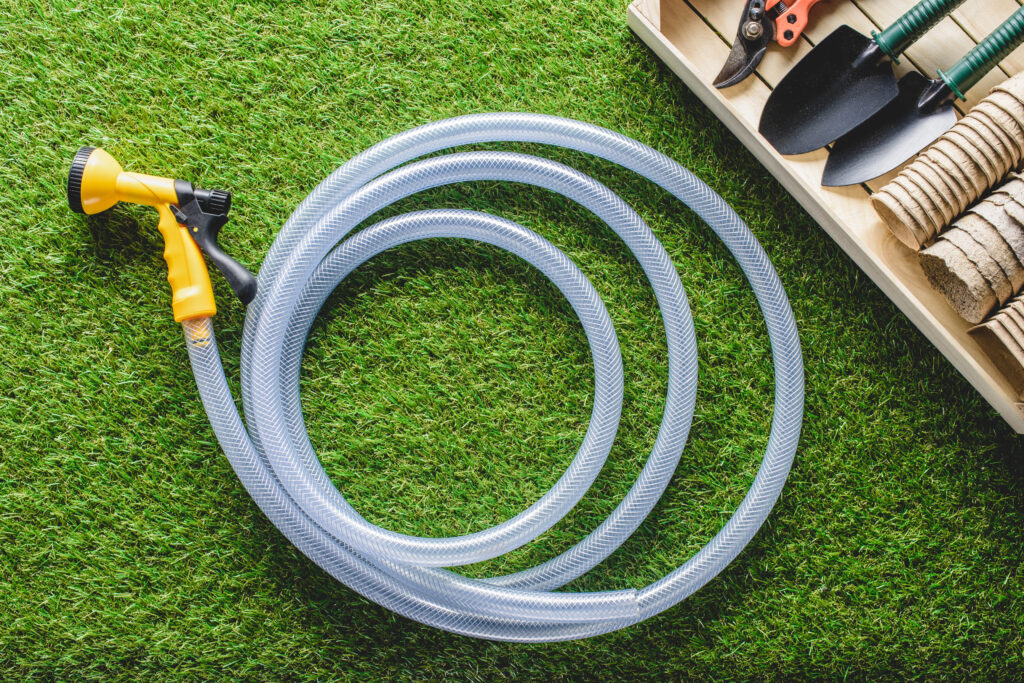
Leaks don’t just happen inside. Outdoor faucets, hoses, and irrigation systems are common causes of these issues.
Start by checking outdoor faucets for drips.
Turn the faucet on and off, then look for any water continuing to drip after it’s turned off.
The connection point between the hose and the faucet is a common place for leaks.
Inspect sprinkler heads for cracks or malfunctions.
A damaged head can spray water in the wrong direction or leak even when the system is off.
Walk through your yard and look for unusually damp patches, especially if it hasn’t rained recently.
Wet spots in your yard could point to a leak in the underground pipes of your irrigation system.
During colder months, take extra care to prepare outdoor pipes and faucets for winter.
Frozen pipes can crack and leak once they thaw, leading to significant water waste.
What to do if you find a leak
Don’t panic, stay calm and act quickly to minimise damage.
Here’s a clear plan of action depending on how bad the leak is.
- Turn off the main water supply
Shut off the water to stop any more damage. Locate your home’s main shutoff valve and turn it off. - Assess the leak
For small leaks, try tightening loose connections or applying plumber’s tape as a temporary fix. For larger or hidden leaks, proceed to the next step. - Call a plumber for larger or hidden leaks
If the leak is severe, hidden behind walls, or involves a burst pipe, contact a professional plumber immediately. - Mitigate damage
Use towels, fans, or a wet/dry vacuum to remove standing water and dry the area. Shut off electricity in affected areas if water is near outlets. - Document the damage
Take photos or videos for insurance purposes, especially if the leak caused significant damage.
Remember, the longer a leak sits, the more it can harm your home.
Undoubtedly, fast action saves you from costly repairs and even bigger headaches down the line.
Knowing how to detect a water leak can save you big time
Catching water leaks early is like giving your home a regular check-up.
By using these simple methods, you can spot leaks before they turn into expensive repairs.
Make it a habit to check for leaks regularly, especially if you notice signs like higher water bills or damp spots.
It’s easy to ignore a small drip but trust that drip can turn into a flood of problems if left alone.
Now that you now know how to detect a water leak in your home- it is best to stay proactive, and you’ll save yourself a lot of time, money, and stress down the road.